Showing 1-12 of 1696 results

Got Purps? Understanding Cannabis Effects Through Flavonoids
11 hours agoCannabis Now

Federal Hemp Ban Could Force 68.1% of U.S. Hemp Businesses to Close
13 hours agoGanjapreneur

New Mexico Cannabis Tracking System Transition Causes Business Disruptions and Financial Losses
13 hours agoGanjapreneur

Cannabis Analytics Firm Headset Settles $1M COVID-19 Relief Loan Fraud Claim
13 hours agoGanjapreneur
Germany's Strict GMP Interpretation Could Reshape Medical Cannabis Import Standards
18 hours agoRevista Cáñamo
Morocco's Cannabis Market Grows to 161 Products, But Pharmaceutical Development Lags Behind
18 hours agoRevista Cáñamo

Telemedicine and Medical Cannabis: Consultations Surge in Argentina
20 hours agoRevista Cáñamo

Missouri Moves Intoxicating Hemp Into Regulated Market
21 hours agoMJBizDaily
Anti-marijuana campaign vastly outspends cannabis industry in Massachusetts battle
23 hours agoMJBizDaily

Federal Court Allows Trump Administration to Proceed With Marijuana Rescheduling
yesterdayMarijuana Moment

Chilean Documentary Exposes Pinochet-Era Biochemist's Role in Neurotoxins and Cocaine Trafficking
yesterdayRevista Cáñamo
France Reports 500 Synthetic Cannabinoid Exposures Since 2025
yesterdayRevista Cáñamo
Got Purps? Understanding Cannabis Effects Through Flavonoids
Flavonoids—the molecules responsible for cannabis flower's vibrant colors and distinctive flavors—are emerging as key compounds in understanding how cannabis produces its therapeutic effects. Beyond their aesthetic role, these polyphenolic compounds interact with cannabinoids like THC and CBD to modulate the plant's pharmacological profile and user experience. Researchers are increasingly focused on how flavonoids contribute to the entourage effect, where multiple plant compounds work synergistically to enhance medicinal benefits for conditions ranging from anxiety to chronic pain. This deeper understanding of flavonoids could revolutionize strain selection and cannabis medicine customization for patients seeking targeted symptom relief.
Federal Hemp Ban Could Force 68.1% of U.S. Hemp Businesses to Close
A Whitney Economics report indicates that a federal ban on intoxicating hemp products would force approximately 68.1% of U.S. hemp-related businesses to close. The ban, originally scheduled for November, was delayed one month in August through an amendment to federal funding legislation. This regulatory action could significantly impact the availability and accessibility of hemp-derived products, including those with potential therapeutic applications. The analysis highlights the substantial economic consequences for the hemp industry and implications for consumers who rely on these products.
New Mexico Cannabis Tracking System Transition Causes Business Disruptions and Financial Losses
New Mexico's transition to the New Mexico Seed to Sale (NMS2S) tracking system launched September 1 has created operational challenges for cannabis retailers unable to sell products, resulting in significant financial losses. The system replacement, which transitioned from the legacy BioTrack platform that went offline September 7, has left businesses struggling with technical issues during the changeover. This disruption affects the medical cannabis supply chain, potentially impacting patients who depend on consistent access to cannabis for therapeutic purposes. Industry stakeholders report steep losses as the new system stabilizes. The transition highlights the importance of coordinated regulatory technology implementations to minimize patient access disruptions.
Cannabis Analytics Firm Headset Settles $1M COVID-19 Relief Loan Fraud Claim
Cannabis analytics firm Headset Inc. has agreed to pay $1,012,876 to settle allegations that it improperly received a federal Paycheck Protection Program (PPP) loan intended for small businesses during the COVID-19 pandemic. The company was deemed ineligible for the SBA relief funding in 2021. This settlement reflects ongoing enforcement actions against businesses that misused pandemic relief resources. The case highlights regulatory scrutiny within the cannabis industry during government financial assistance programs.
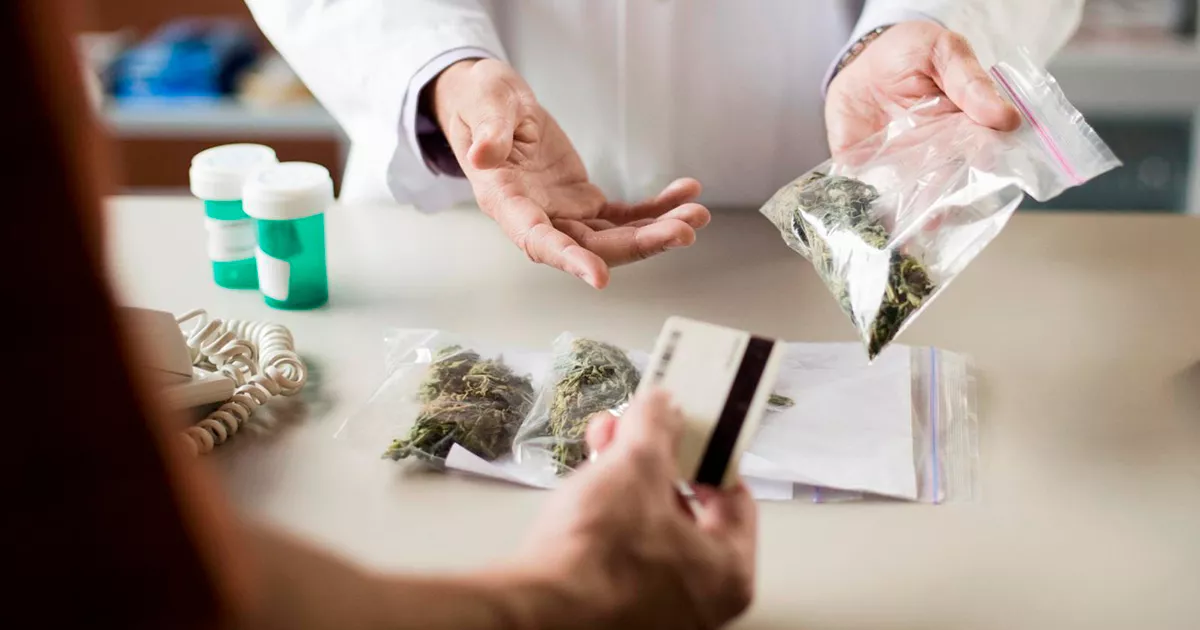
Germany's Strict GMP Interpretation Could Reshape Medical Cannabis Import Standards
Germany's medical cannabis sector faces new regulatory scrutiny as Hesse's health authority issues strict GMP (Good Manufacturing Practice) compliance guidelines for processing facilities. This interpretation focuses on pharmaceutical standards for imported cannabis materials, potentially requiring international supply chains to reorganize operations. The shift reflects Germany's maturation from a high-volume import phase toward stricter quality control measures. These changes could establish precedent for European medical cannabis regulations and affect sourcing strategies for licensed producers serving patients with various therapeutic needs.
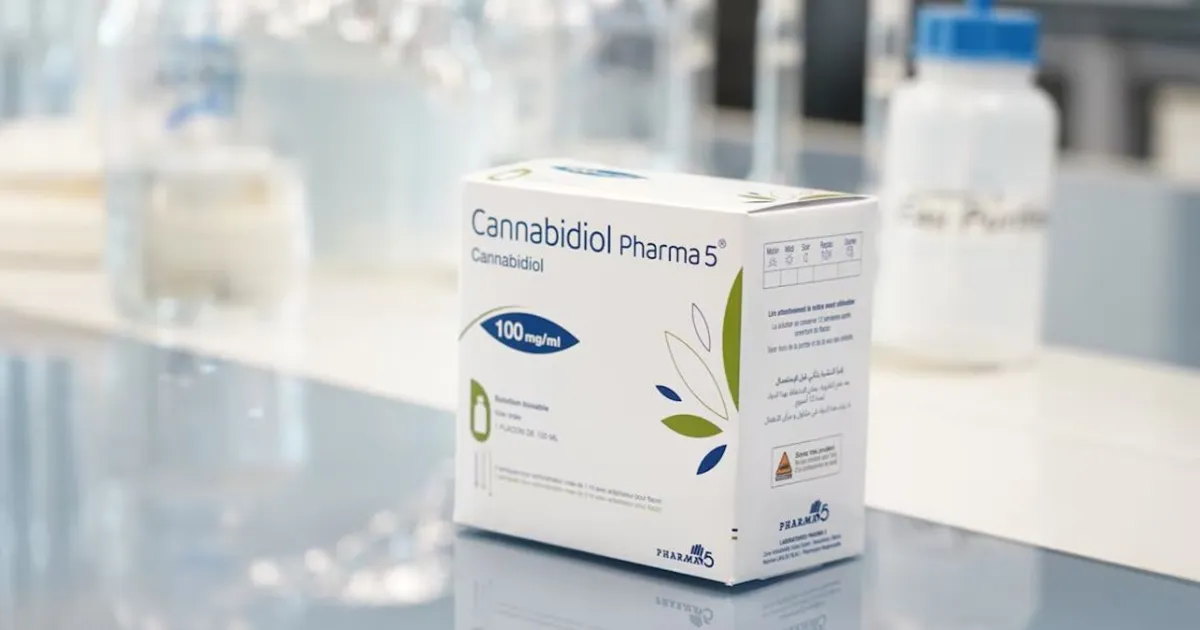
Morocco's Cannabis Market Grows to 161 Products, But Pharmaceutical Development Lags Behind
Morocco's legal cannabis market has expanded to include 161 products spanning dietary supplements, cosmetics, and food items. However, pharmaceutical cannabis development is progressing more slowly, as evidenced by Pharma 5's cannabidiol medication, which remains officially registered but unavailable in Moroccan pharmacies. This gap highlights the disconnect between the growing wellness product market and the delayed commercialization of cannabis-based pharmaceuticals. The regulatory approval process for medical cannabis products continues to present challenges for manufacturers seeking to bring evidence-based therapies to patients.
Telemedicine and Medical Cannabis: Consultations Surge in Argentina
Argentina's Clinicann, a telemedicine clinic specializing in medical cannabis, reports treating over 20,000 patients nationwide as demand for therapeutic cannabis access continues to rise. The clinic's expansion reflects years of regulatory delays and litigation surrounding REPROCANN, Argentina's registry for legal therapeutic cannabis cultivation. Private telemedicine services have increasingly filled gaps left by administrative uncertainty in the public healthcare system. This trend highlights how digital health platforms are becoming essential access points for patients seeking cannabis-based treatments in regions with complex regulatory frameworks. The development demonstrates growing patient demand for convenient, professional medical guidance on cannabis therapeutics.
Missouri Moves Intoxicating Hemp Into Regulated Market
Missouri has implemented new regulations establishing a 0.4 milligram THC threshold per container to distinguish hemp from marijuana. Products exceeding this limit are now classified as marijuana and must be sold exclusively through licensed dispensaries and cultivated in state-licensed facilities. This regulatory shift brings intoxicating hemp products under the state's controlled cannabis market framework, similar to traditional marijuana sales. The change aims to prevent potent hemp products from bypassing the regulated market and ensure consumer safety through licensing requirements. This development reflects broader state-level efforts to clarify cannabinoid product distinctions and establish consistent regulatory standards across the cannabis industry.
Anti-marijuana campaign vastly outspends cannabis industry in Massachusetts battle
A national anti-marijuana organization is significantly outspending the Massachusetts cannabis industry in a campaign to criminalize sales of the state's $1.65 billion annual market. The heavily funded opposition effort represents a major shift in the landscape of cannabis policy debates, where industry resources are being challenged by well-financed prohibitionist campaigns. This spending disparity raises questions about the future of legal cannabis access for patients and consumers who depend on regulated markets. The outcome of this campaign could have implications for medical marijuana patients in Massachusetts who rely on legal dispensaries for therapeutic products. Such policy reversals would impact both the regulated industry and patients seeking legal access to cannabis for various health conditions.
Federal Court Allows Trump Administration to Proceed With Marijuana Rescheduling
A federal appeals court rejected efforts by pharmaceutical and drug testing industry groups to halt the Trump administration's federal cannabis rescheduling initiative. The court determined that petitioners failed to meet the legal requirements needed to block the reform while litigation continues. This decision allows the rescheduling process to move forward, potentially expanding access to medical cannabis for patients with qualifying conditions. The ruling is significant for patients and healthcare providers in Puerto Rico seeking approved therapeutic cannabis options.
Chilean Documentary Exposes Pinochet-Era Biochemist's Role in Neurotoxins and Cocaine Trafficking
The Chilean documentary 'Cocaína Negra' investigates Eugenio Berríos, a biochemist connected to Augusto Pinochet's secret police, through newly uncovered recordings. The film documents his involvement in manufacturing neurotoxic agents, clandestine dictatorship networks, and decades-long accusations linking him and superiors to cocaine trafficking operations. This historical investigation reveals the intersection of state-sponsored chemical weapons development and organized drug trafficking during Chile's authoritarian regime. The documentary provides critical context on how scientific expertise was weaponized for political repression.
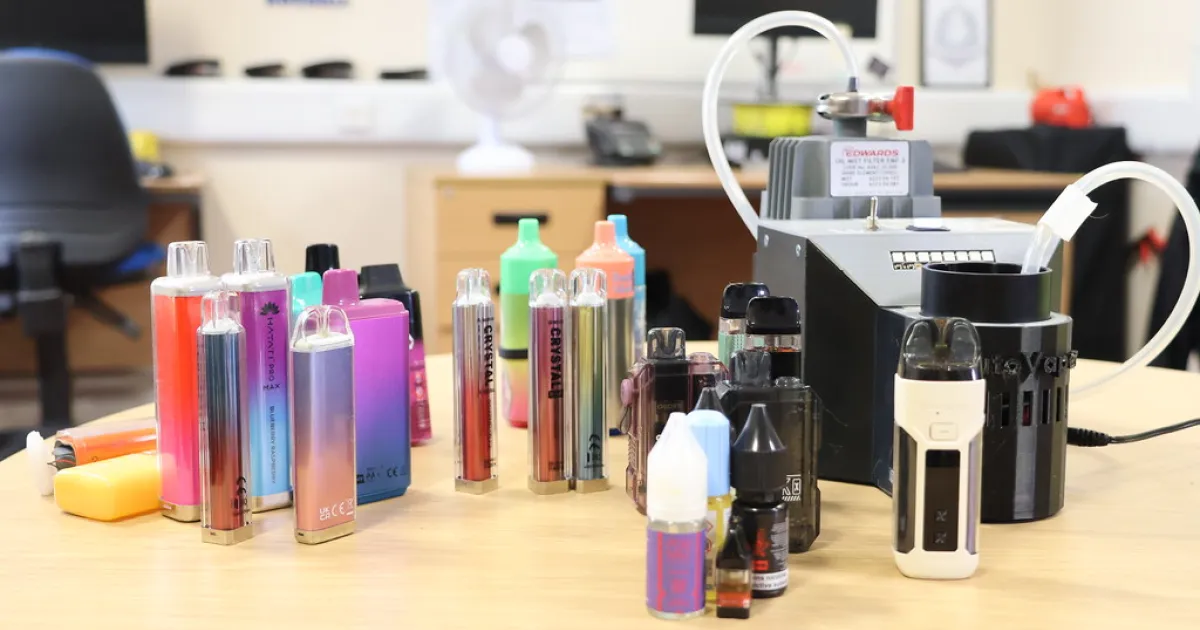
France Reports 500 Synthetic Cannabinoid Exposures Since 2025
France has documented approximately 500 exposure cases to synthetic cannabinoids since 2025, prompting authorities to strengthen surveillance measures in 2026. Over 70% of cases affected adolescents aged 13-18 years, with 71% classified as severe exposures. Health officials warn that the actual composition of these products often differs significantly from their labels, posing substantial risks to young users. Synthetic cannabinoids are far more potent than natural cannabis and carry serious health consequences including rapid heart rate, severe anxiety, and psychotic episodes. This outbreak underscores the dangers of unregulated substances and the critical need for public awareness among Puerto Rican youth and parents.
Official Portals
Official links from the Puerto Rico Department of Health