SaludMedica
Health News
Latest health and cannabis news from trusted sources
SaludMedica
Latest health and cannabis news from trusted sources
Showing 1-12 of 6359 results

2 days agoSTAT News

Emergency departments at Hospital Clínic de Barcelona report a surge in cases linked to "monkey dust," a street name for synthetic cathinones—powerful synthetic stimulants causing agitation, hallucinations, and severe psychiatric symptoms. Toxicology teams warn that this single street term can mask various dangerous substances, making identification and treatment challenging. The rapidly evolving synthetic drug market complicates public health responses and clinical management. These incidents highlight the distinction between illicit synthetic drugs and medical cannabis, underscoring the importance of proper substance identification in emergency care settings.

The American Diabetes Association, a major nonprofit organization that has historically shaped diabetes care standards and patient advocacy, is experiencing significant organizational turmoil. The association's internal challenges raise concerns among healthcare experts about its ability to continue influencing diabetes treatment guidelines, funding research, and providing educational resources that millions of patients rely on. The ADA's past contributions have included establishing evidence-based care standards and advocating for patient access to medications and technologies. With the organization in disarray, patients and healthcare providers worry about potential gaps in diabetes management support, research funding, and advocacy efforts that could affect care quality and innovation.

A U.S. researcher's scientific work was obtained by a Chinese consulting entity using a simple Freedom of Information Act (FOIA) request and a $25 fee. This incident raises significant concerns about intellectual property protection, research security, and how publicly funded scientific research can be accessed by foreign entities through legal disclosure mechanisms. The case highlights potential vulnerabilities in how U.S. institutions handle sensitive research data and the need for stronger safeguards around scientific intellectual property. Researchers and institutions are questioning current FOIA procedures and their implications for national security and competitive advantage in scientific innovation.
Danish biotech company Genmab has achieved significant momentum in cancer treatment development, successfully completing three late-stage clinical trials within a single month. This series of positive results demonstrates the company's strong pipeline and validates its approach to developing innovative cancer therapies. The wins position Genmab favorably for potential regulatory approvals and represent progress toward bringing new treatment options to cancer patients. These clinical successes could accelerate the company's growth and expand its portfolio of cancer medications available to patients seeking advanced therapeutic options.

Medical expert David Adler warns that the market value of health AI companies does not necessarily reflect the actual medical value of their technologies. As artificial intelligence investment reaches record levels, there is growing concern that inflated valuations could lead to disappointing clinical outcomes when companies fail to deliver promised results. This divergence between financial hype and genuine medical benefit poses risks for healthcare systems and patients who may adopt unproven technologies. If investor confidence collapses, it could disrupt funding for legitimate AI innovations that could improve patient care and medical diagnostics.

A new biotech company is developing an advanced CAR-T cell therapy designed to combat relapse in multiple myeloma by targeting an additional tumor antigen. Traditional CAR-T therapies have shown promise but patients frequently experience cancer recurrence when tumor cells evade the immune response. This next-generation approach aims to prevent escape mechanisms by simultaneously targeting multiple cellular markers, potentially improving long-term survival rates. The innovation addresses a critical clinical challenge in multiple myeloma treatment, offering hope for patients who have exhausted conventional therapeutic options.
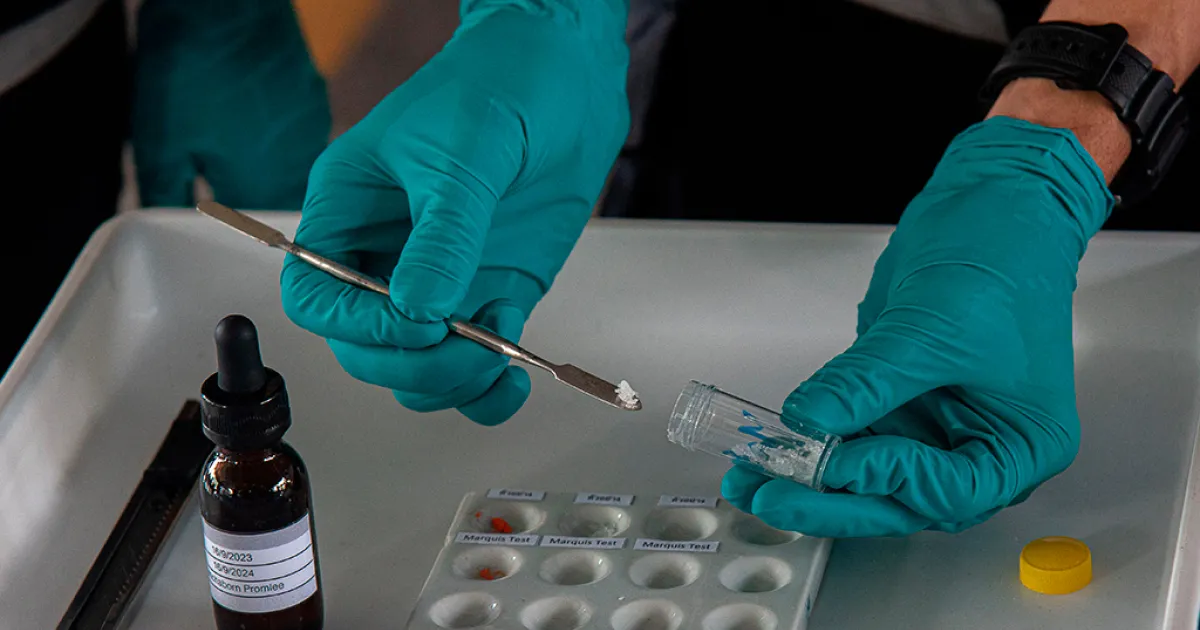
Glasgow has opened Scotland's first local drug checking service since November, allowing people to anonymously submit samples to determine their contents and receive health guidance. The initiative addresses growing public health concerns about synthetic opioids and other dangerous substances circulating in illegal markets. By collecting data on drug composition and emerging substances, the service aims to provide real-time information to health authorities and reduce overdose-related harms. This evidence-based approach helps inform harm reduction strategies and treatment interventions in communities affected by substance use disorders.

Trauma remains the leading cause of mortality among the working-age population in the Dominican Republic, according to Dr. Amado Alejandro Báez, president of TraumaRD, during the International TraumaRD 2026 Symposium held at Universidad Nacional Pedro Henríquez Ureña. The symposium focused on coordinating a comprehensive National Trauma System to address this critical public health challenge. Healthcare professionals discussed advancements and strategies to reduce trauma-related deaths in the country's productive population through improved emergency response and trauma care protocols.

Bone Thugs-N-Harmony remains active in the music industry while maintaining their influential role in cannabis culture. OG member Flesh-N-Bone confirms the legendary group continues creating music and engaging with fans. The group's enduring presence reflects broader cultural shifts in cannabis acceptance and normalization within mainstream entertainment. Their career trajectory illustrates how cannabis culture has evolved from underground movements to mainstream cultural influence over decades.

Georgia's Department of Public Health has proposed new regulations enabling patients to use electronic credentials instead of waiting for physical medical cannabis cards before making their first purchase. This regulatory modernization streamlines the patient enrollment process, reducing delays that have historically prevented qualifying patients from accessing authorized cannabis products promptly. The digital card system leverages electronic authentication to verify patient eligibility and recommendation status in real time. This development reflects a national trend toward more efficient administrative systems in medical cannabis programs, improving access for patients seeking alternative therapeutic options. For Georgia residents with qualifying conditions, e-credentials represent a significant advancement in expediting their path to medical cannabis treatment.

The Dominican Society of Psychiatry has presented a comprehensive proposal to the Senate aimed at establishing legal guarantees and protections for mental health services and patients. The initiative, developed with legal advisors specializing in medical law, seeks to strengthen the regulatory framework governing psychiatric care and ensure patient rights are safeguarded. This legislative proposal addresses critical gaps in mental health policy and aims to improve access to quality psychiatric services while protecting both patients and healthcare providers. The measure represents an important step toward comprehensive mental health protection in the Dominican Republic.

A new study published in Cancer reveals that women with persistent human papillomavirus (HPV) infection who show increasing or consistently high viral load levels may face greater risk of developing cervical cancer. HPV is a common sexually transmitted infection, and while most infections clear naturally, persistent high levels can lead to precancerous changes in cervical cells. This research underscores the importance of regular cervical screening and monitoring viral load trends in women with persistent HPV infections. Early detection through consistent monitoring and appropriate medical intervention can help prevent progression to cervical cancer.