LatestTrump Administration Imposes Tariffs on 60 Economies Over Labor Practices
Cannabis

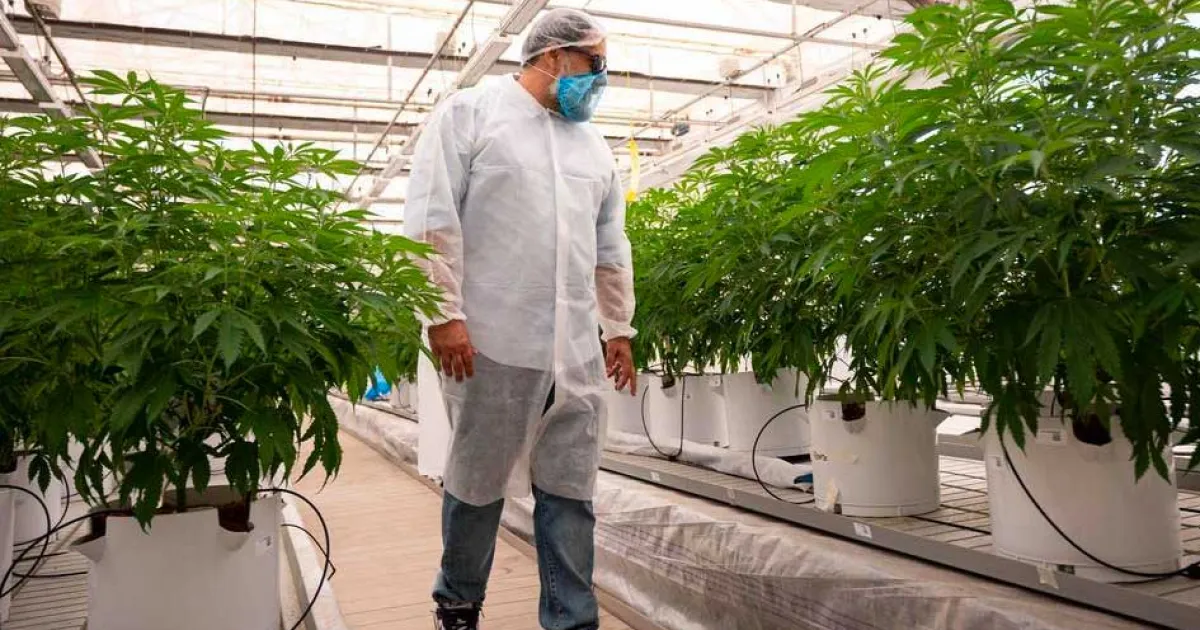
Canary Islands Approves First Medicinal Cannabis Cultivation for Pharmaceutical Validation
Redacción
Canary Islands Approves First Medicinal Cannabis Cultivation for Pharmaceutical Validation
Summary

A Tenerife-based company has received authorization to produce medicinal cannabis batches to demonstrate compliance with pharmaceutical manufacturing standards. This marks the first cultivation license of its kind granted in the Canary Islands, representing a significant milestone in Spain's medical cannabis regulatory framework. The approval allows the company to conduct the necessary validation studies required for pharmaceutical-grade cannabis production. This development supports the advancement of cannabis-based therapeutics for patients who may benefit from evidence-based cannabinoid treatments. The authorization reflects growing recognition of cannabis medicine's potential within regulated healthcare systems.

Originally published on

Revista Cáñamo

By Redacción

Read full article(opens in new tab)

Fetched: July 24, 2026 at 10:03 AM

More news you might be interested in

View all
Cannabis
AnxietyDepression

U.S. House Extends Military Research with Psychedelics Through 2033

The U.S. House of Representatives has passed legislation extending the Department of Defense's psychedelic research trials through 2033. This legislative advancement represents growing institutional interest in exploring therapeutic potential of psychedelics for military personnel. The extended timeline allows continued investigation into how these compounds may address treatment-resistant conditions affecting service members. This development reflects broader scientific momentum in psychedelic medicine research, particularly for mental health applications in vulnerable populations.

9 hours ago
Cannabis Magazine
Cannabis

Federal Bill Aims to Regulate THC-Containing Hemp Products Across the U.S.

The Lawful Hemp Protection Act proposes a federal regulatory framework for hemp-derived THC products in the United States, addressing the current legal gray area surrounding intoxicating hemp cannabinoids. This legislation would establish standardized rules for production, testing, labeling, and distribution of THC-containing hemp products, which currently exist in a regulatory limbo between federal and state authorities. The framework aims to protect consumers while providing clarity for the expanding hemp industry, though the bill has not yet become law. For patients in Puerto Rico and nationwide, this potential regulation could ensure product safety, consistent dosing information, and clearer access to therapeutic cannabinoid options. The development represents a significant step toward federal cannabis policy modernization and consumer protection.

9 hours ago
Cannabis Magazine
MJBizDaily
Cannabis

Can State-Regulated Hemp THC Businesses Survive Federal Schedule 1 Classification?

State-regulated hemp THC businesses face an uncertain future as potential federal reclassification looms. While states may retain the authority to regulate hemp-derived THC products independently, federal Schedule 1 placement could create significant legal and operational obstacles that threaten business viability. This regulatory conflict between state and federal law creates critical challenges for entrepreneurs and patients relying on these products for therapeutic purposes. The outcome will significantly impact access to hemp-derived cannabinoid treatments across the country and in territories like Puerto Rico.

14 hours ago
MJBizDaily
MJBizDaily
Cannabis

Georgia Medical Cannabis Program Surges Past 40,000 Patients Following Product Expansion

Georgia's medical cannabis program has experienced rapid growth, now serving over 40,000 patients with approximately 4,700 new enrollments since regulatory reforms expanded available product formats. The recent rule changes added edibles, vaporized products, and newly approved medical conditions to the state's therapeutic cannabis options. This expansion reflects growing patient demand for diverse cannabinoid delivery methods and demonstrates the regulatory trend toward broadening access to medical cannabis treatments. The program's growth underscores the increasing acceptance of cannabis as a complementary therapeutic option for qualifying medical conditions.

14 hours ago
MJBizDaily