Childhood Trauma Linked to Reduced CB1 Receptor Availability in Brain
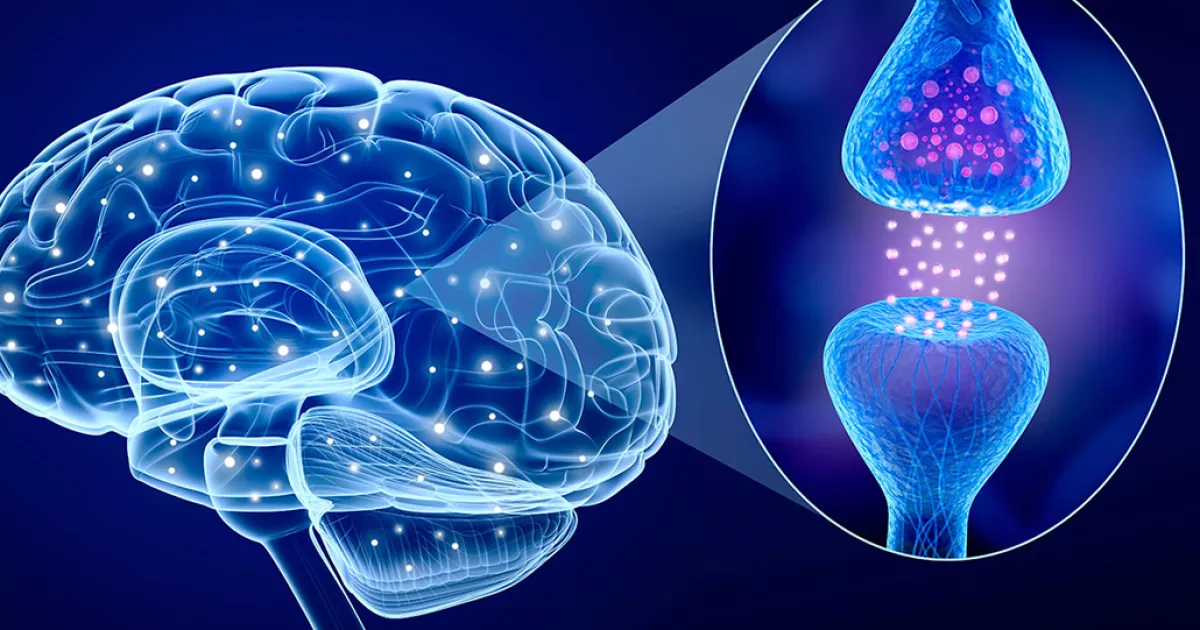
A Yale University study reveals that traumatic experiences during childhood are associated with reduced CB1 receptor availability in adult brain regions responsible for memory and emotion regulation. CB1 receptors are key components of the endocannabinoid system, which plays a crucial role in managing stress response and emotional processing. These neurobiological differences may help explain why trauma survivors often experience persistent emotional and memory challenges in adulthood. Understanding these endocannabinoid system alterations could inform new therapeutic approaches, including potential cannabinoid-based treatments, for trauma-related conditions.
Originally published on
Revista Cáñamo
By Redacción
Read full article(opens in new tab)Fetched: November 16, 2026 at 10:01 AM


