LatestContinuously Evolving Cells Help Pancreatic Cancer Evade Treatment and Spread
Health

Choline Supplementation Shows Long-Term Developmental Benefits for Children with Fetal Alcohol Spectrum Disorder

Choline Supplementation Shows Long-Term Developmental Benefits for Children with Fetal Alcohol Spectrum Disorder
Summary

A new study demonstrates that children affected by prenatal alcohol exposure (PAE) experience significant long-lasting cognitive gains following treatment with supplemental choline, an essential nutrient. Fetal alcohol spectrum disorder (FASD), which affects 1–5% of the global population, encompasses multiple diagnoses involving physical, cognitive, and behavioral challenges that currently have limited treatment options. This research indicates that choline supplementation represents a potentially scalable and accessible intervention for the neurodevelopmental differences associated with FASD. The findings offer hope to affected children and families seeking effective therapeutic approaches to mitigate the impact of prenatal alcohol exposure.

Medical Xpress

Originally published on

Medical Xpress

Read full article(opens in new tab)

Fetched: October 13, 2026 at 10:01 AM

More news you might be interested in

View all
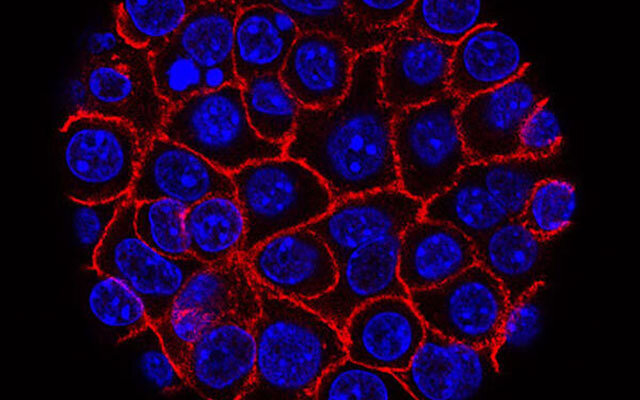
Continuously Evolving Cells Help Pancreatic Cancer Evade Treatment and Spread
Health
Cancer

Continuously Evolving Cells Help Pancreatic Cancer Evade Treatment and Spread

A groundbreaking analysis of nearly half a million cells from dozens of patients' pancreatic tumors reveals how cancer cells continuously reshape their genetic makeup over time, enabling them to evade treatment. Researchers discovered that pancreatic cancer cells undergo constant genetic changes that allow them to adapt and resist therapies designed to eliminate them. This finding is particularly significant for one of the deadliest forms of cancer, where treatment resistance remains a major clinical challenge. Understanding this cellular evolution mechanism could lead to new therapeutic strategies that target these adaptive processes and improve outcomes for pancreatic cancer patients.

2 hours ago
Medical Xpress
Dominican Medical College Initiates 24-Hour National Strike, Opposes Pharmaceutical Legislation
Health

Dominican Medical College Initiates 24-Hour National Strike, Opposes Pharmaceutical Legislation

The Dominican Medical College (CMD) has confirmed a 24-hour national medical strike for Tuesday, October 13th, demanding fulfillment of pending agreements, creation of new positions, and resolution of labor sector demands. The strike was announced during a press conference at the organization's headquarters, reflecting ongoing tensions between healthcare professionals and government authorities. This action underscores critical issues affecting physician working conditions and healthcare service delivery across the Dominican Republic. Additionally, the CMD has rejected proposed pharmaceutical legislation, raising concerns about how such policies may impact patient access to medications and healthcare costs. The strike highlights the importance of addressing healthcare workforce concerns to maintain quality medical services for patients.

5 hours ago
DiarioSalud.do
Canada's Safe Social Media Act Prioritizes Child Health Protection
Health
AnxietyDepression

Canada's Safe Social Media Act Prioritizes Child Health Protection

Canada's proposed Safe Social Media Act has received support from medical experts, with an analysis published in the Canadian Medical Association Journal recommending its passage to protect children's health. The legislation aims to address the growing concerns about social media's negative impact on young people's mental and physical wellbeing. Experts highlight that the act should consider multiple factors to effectively safeguard minors from harmful online content and practices. This regulatory approach reflects growing recognition among healthcare professionals that social media poses significant risks to child development and psychological health. The act's implementation could serve as a model for other nations seeking to balance digital freedom with child protection.

7 hours ago
Medical Xpress
Physicians have disabilities too: New research calls for a more accessible medical workforce
Health

Physicians have disabilities too: New research calls for a more accessible medical workforce

New research published in the Canadian Medical Association Journal reveals that 5% of practicing physicians report experiencing a disability "always or often," while an additional 12% report disability "sometimes." The study highlights significant gaps in workplace accessibility within the medical profession, affecting physicians' ability to provide care while managing their own health conditions. Researchers emphasize the urgent need for systemic improvements to support physicians with disabilities, including workplace accommodations and institutional support. These findings underscore that disability among healthcare providers is more common than previously recognized, with important implications for physician retention, job satisfaction, and ultimately patient care quality. Experts call for comprehensive action to create an equitable and sustainable medical workforce that supports healthcare professionals at all ability levels.

7 hours ago
Medical Xpress