LatestBipartisan Senate Bill Advances Office of Men's Health Initiative
Cannabis

Daily Cannabis Use: Understanding Long-Term Effects on Health

AskGrowers
Daily Cannabis Use: Understanding Long-Term Effects on Health
AnxietyDepressionChronic PainInsomniaADHD
Summary

As cannabis becomes increasingly socially accepted and legally accessible, understanding the long-term health effects of daily use is crucial for both recreational and medical users. Research reveals that frequent cannabis consumption can impact cognitive function, mental health, respiratory health, and develop dependency patterns in susceptible individuals. For medical patients, daily use requires careful monitoring and medical supervision to balance therapeutic benefits against potential adverse effects. Healthcare providers recommend evaluating individual consumption habits and considering alternative dosing schedules to minimize long-term risks while maximizing therapeutic outcomes.

Originally published on

El Planteo

By AskGrowers

Read full article(opens in new tab)

Fetched: July 4, 2026 at 10:13 AM

More news you might be interested in

View all
Pest Control in Outdoor Cannabis Cultivation: Safe Methods to Protect Your Plants
Cannabis

Pest Control in Outdoor Cannabis Cultivation: Safe Methods to Protect Your Plants

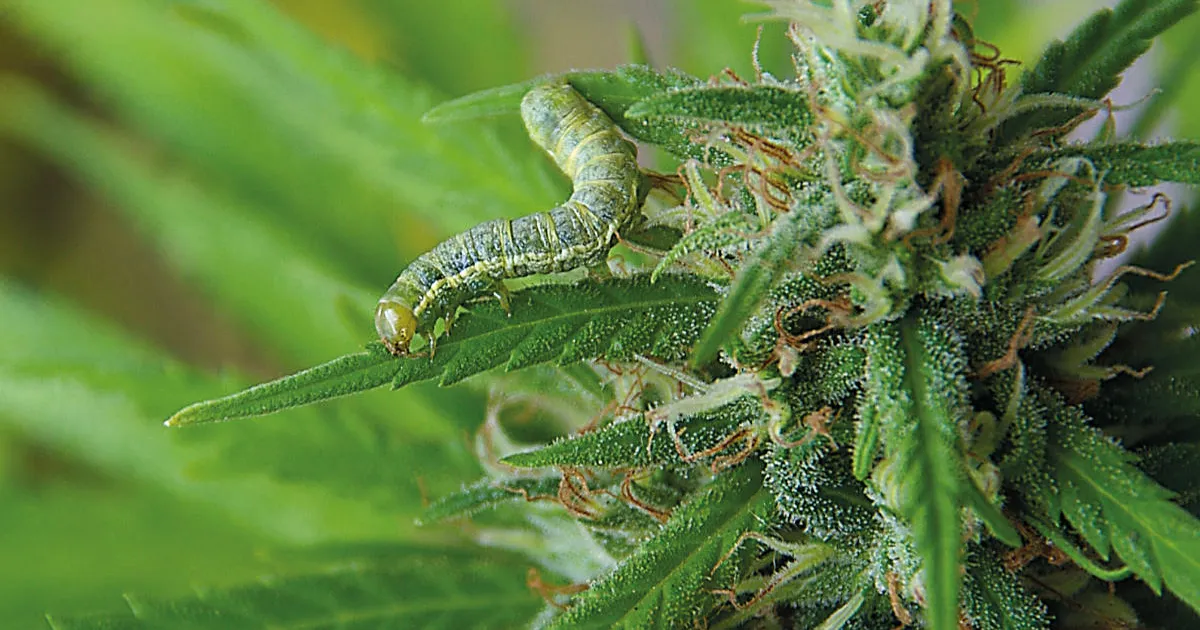
Protecting cannabis plants from insects, fungi, mites, and other pests is essential for maintaining crop health and quality without compromising safety. This guide explores common cannabis plant pests and evidence-based cultivation techniques that prevent infestations while avoiding toxic chemical treatments. Proper integrated pest management (IPM) strategies help outdoor growers maintain healthy plants and maximize yield throughout the growing season. Understanding pest identification and early intervention methods is crucial for cultivators in Puerto Rico's humid tropical climate, where pest pressure is typically higher.

19 hours ago
Revista Cáñamo
Open Trial Explores THC and CBD for Restless Legs Syndrome
Cannabis

Open Trial Explores THC and CBD for Restless Legs Syndrome

A preliminary open-label trial involving 18 participants showed reduced severity of restless legs syndrome symptoms following treatment with a THC and CBD preparation. However, the absence of placebo control, blinding, and randomization limits the ability to attribute improvements directly to the treatment. The findings represent an early clinical signal that warrants further investigation through more rigorous, controlled studies. Patients interested in cannabinoid therapies should consult healthcare providers before considering any treatment approach.

23 hours ago
Revista Cáñamo
International Review Reveals Widespread CBD Labeling Failures Across Global Markets
Cannabis

International Review Reveals Widespread CBD Labeling Failures Across Global Markets

A comprehensive review of 28 studies examining 937 CBD products found that only 31% accurately labeled their cannabidiol content within a ±10% margin of declared amounts. The analysis spanned four continents with concentrated evidence from Europe and North America, highlighting significant quality control issues in the CBD market. These labeling inaccuracies raise serious concerns for patients relying on consistent dosing for therapeutic purposes, as underdosed or overdosed products may compromise treatment efficacy or safety. The findings underscore the critical need for standardized regulatory frameworks and third-party testing to ensure product integrity and consumer protection in the rapidly expanding CBD industry.

23 hours ago
Revista Cáñamo
Federal Cannabis Reclassification Enters Written Comment Phase Without Decision Date
Cannabis

Federal Cannabis Reclassification Enters Written Comment Phase Without Decision Date

The DEA's hearing on comprehensive cannabis reclassification has established August 17 as the deadline for final written submissions and transcript corrections. While this deadline helps organize the administrative record, it does not signal an imminent decision or change cannabis's current Schedule I status. This procedural milestone represents an important step in the ongoing federal review process that could ultimately impact medical cannabis access and research opportunities across the United States, including Puerto Rico. Patients and healthcare providers awaiting potential policy changes should recognize that Schedule I classification continues to restrict clinical research and federal recognition of therapeutic applications.

23 hours ago
Revista Cáñamo