LatestBrain-Heart Interactions May Predict Recovery from Oxygen Loss
Cannabis

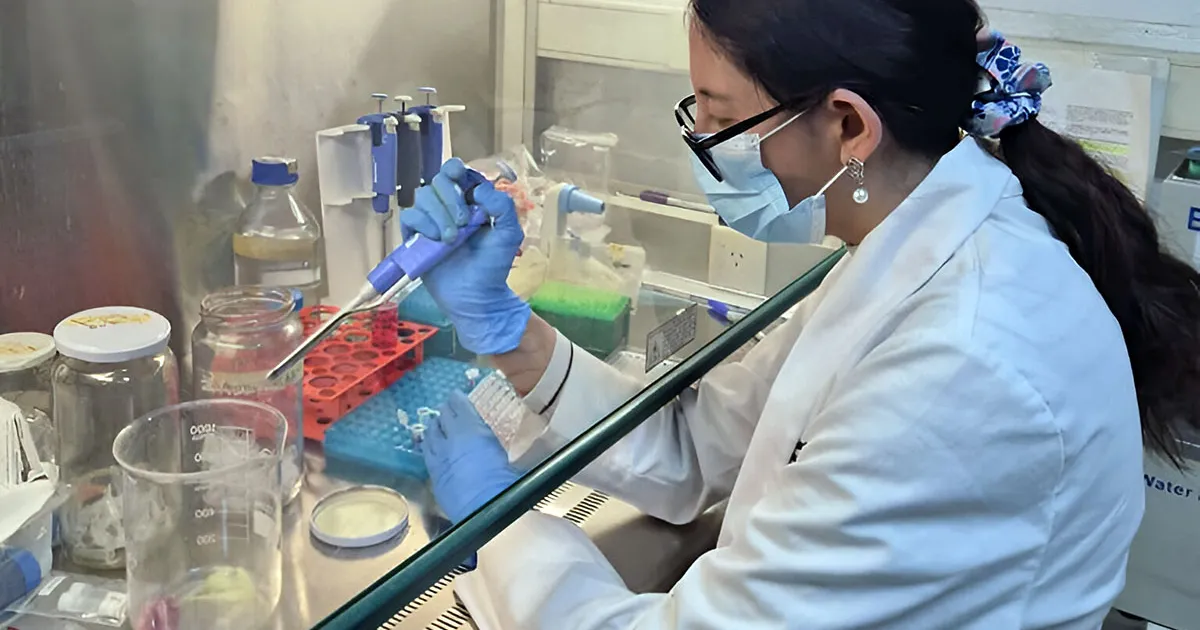
Francisca Medina: The Veterinarian Making Cannabis Her Science
Carlos Martínez Ramírez
Francisca Medina: The Veterinarian Making Cannabis Her Science
ArthritisCancer
Summary

Chilean veterinarian Francisca Medina has dedicated her career to cannabinoid research, beginning with her mother's arthritis and evolving into doctoral-level studies on cannabidiol's potential against mammary cancer in dogs. Her work bridges personal experience with rigorous scientific investigation, exploring how cannabis therapeutics can benefit animal health. Medina's research contributes to the growing body of evidence supporting cannabinoid applications in oncology and pain management. Her journey reflects the expanding legitimacy of cannabis science within traditional medical fields and highlights Chile's regulatory framework for medical cannabis research.

Originally published on

Revista Cáñamo

By Carlos Martínez Ramírez

Read full article(opens in new tab)

Fetched: June 26, 2026 at 10:13 AM

More news you might be interested in

View all
Cannabis

Quebec Allocates $72.2 Million from Cannabis Sales to Addiction Treatment Fund

Quebec's cannabis retailer SQDC has committed $72.2 million CAD to an addiction prevention and treatment fund, based on Q3 2024 financial results. This allocation combines company profits with a portion of specialized cannabis taxes, reflecting the provincial government's commitment to addressing substance use disorders. The initiative recognizes that while cannabis is now legal and regulated in Canada, investing in addiction support services remains critical for public health. These funds support treatment programs, harm reduction initiatives, and recovery services across the province, ensuring that cannabis legalization includes comprehensive public health safeguards.

11 hours ago
Cannabis Magazine
Cannabis

Malta Proposes Licensing Framework for Low-THC Cannabis Sales

Malta is introducing a new regulatory framework that would grant licenses to operators selling cannabis products with low tetrahydrocannabinol (THC) content, including online distribution. The proposed legislation distinguishes between commercial operations and personal use, while maintaining compliance with European food safety standards. This regulatory approach reflects growing recognition of cannabis's potential medical applications while implementing safeguards to protect public health. The framework aims to create a controlled market for cannabinoid products that meet rigorous quality and safety requirements. This development could serve as a model for other jurisdictions seeking balanced cannabis regulation.

11 hours ago
Cannabis Magazine
Missouri Hemp THC Product Ban Takes Effect With Temporary Beverage Exemption
Cannabis

Missouri Hemp THC Product Ban Takes Effect With Temporary Beverage Exemption

Missouri's new state law restricting hemp-derived THC products has taken effect, forcing retailers to clear shelves and slash prices as businesses face significant disruption. The ban applies to most hemp-derived THC products, though beverages received a temporary exemption from the restrictions. Multiple hemp retailers and their employees are experiencing economic hardship, with families relying on income from this industry now facing uncertainty. This regulatory shift reflects ongoing state-level efforts to distinguish between hemp-derived and cannabis-derived THC products, impacting both consumers and the commercial cannabis sector.

21 hours ago
Marijuana Moment
North Carolina Learns From Oklahoma's Cannabis Legalization: Lessons on Market Regulation and Enforcement
Cannabis

North Carolina Learns From Oklahoma's Cannabis Legalization: Lessons on Market Regulation and Enforcement

North Carolina's Cannabis Commission is receiving guidance from Oklahoma officials on structuring a legal cannabis market and implementing effective enforcement mechanisms. Lt. Col. Mitch Smith of the Oklahoma Bureau of Narcotics and Dangerous Drugs shared insights from Oklahoma's eight-year experience with legalization, highlighting unintended consequences and regulatory challenges the state has encountered. Oklahoma's experience demonstrates the complexity of transitioning from prohibition to a regulated market, with enforcement officials noting the difficulty of controlling illicit operations alongside legal markets. This case study is particularly relevant for states like North Carolina developing cannabis policy frameworks and considering medical marijuana programs. Understanding these regulatory lessons helps policymakers implement stronger oversight systems and avoid costly mistakes in market structure and compliance.

yesterday
Marijuana Moment