LatestBrain-Heart Interactions May Predict Recovery from Oxygen Loss
Health

Healthcare Affordability Crisis Becomes Central Election Issue as Voters Demand Action

Bob Herman
Healthcare Affordability Crisis Becomes Central Election Issue as Voters Demand Action
Summary

As healthcare costs continue to surge across the nation, voters are increasingly rallying behind more radical solutions to address the affordability crisis. Political leaders have struggled to implement effective measures to control rising medical expenses, leaving millions of Americans facing financial hardship due to healthcare costs. This growing frustration has transformed healthcare affordability into a major voting issue, with citizens demanding comprehensive policy changes. For patients managing chronic conditions and requiring ongoing treatment, the cost burden has become unsustainable, making healthcare reform a critical priority in electoral campaigns.

Stat News

Originally published on

STAT News

By Bob Herman

Read full article(opens in new tab)

Fetched: October 29, 2026 at 10:00 AM
More news you might be interested in

View all
Brain-Heart Interactions May Predict Recovery from Oxygen Loss
Health
Heart Disease

Brain-Heart Interactions May Predict Recovery from Oxygen Loss

Researchers from the Paris Brain Institute have discovered that brain-heart interactions may predict survival outcomes in patients recovering from cerebral anoxia, a severe condition caused by lack of oxygen to the brain. Using a rat model, scientists Diego Candia-Rivera and Sofia Carrion-Falgarona found that monitoring how the brain and heart communicate could help identify which patients are more likely to survive and recover better. Cerebral anoxia is a leading global cause of death, and survivors often face persistent neurological complications that significantly impact quality of life. This breakthrough research, published in eNeuro, builds on previous studies showing these interactions can assess symptom severity. Understanding these predictive markers could revolutionize patient care and recovery strategies.

6 hours ago
Medical Xpress
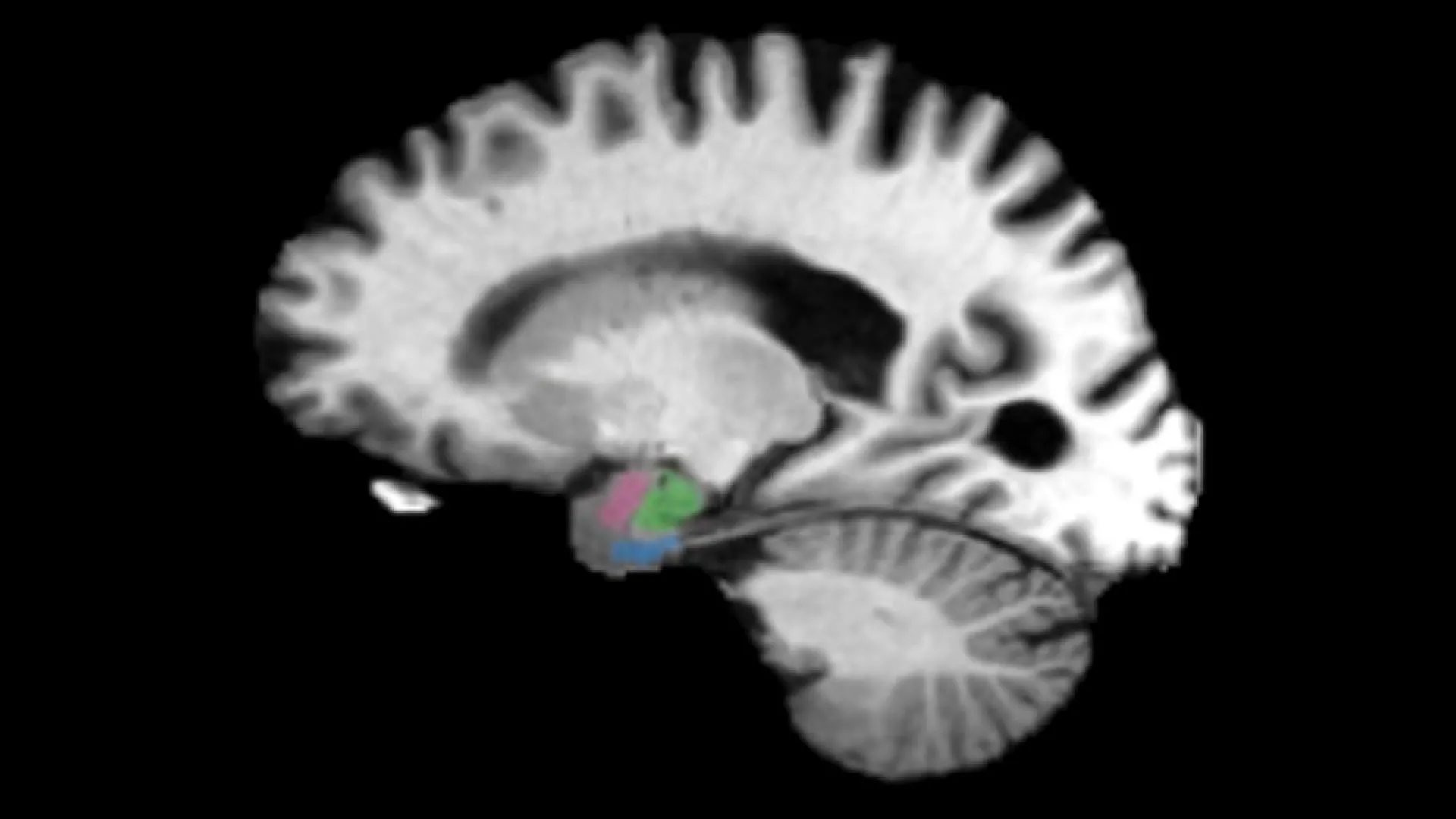
Alzheimer's may start shrinking two brain regions years before memory loss
Health
Alzheimer's Disease

Alzheimer's may start shrinking two brain regions years before memory loss

Researchers at Johns Hopkins University have identified early warning signs of Alzheimer's disease that may appear up to a decade before memory loss occurs. Brain imaging studies show that two regions responsible for memory and emotion processing begin to shrink before the hippocampus, the area doctors typically monitor for Alzheimer's signs. These changes are associated with abnormal tau protein accumulation in the brain. This breakthrough discovery could revolutionize early detection and intervention strategies, allowing physicians to identify at-risk individuals much earlier and potentially slow disease progression before significant cognitive decline begins.

8 hours ago
ScienceDaily Health
AI Discovers Hidden Heart Signal That Could Predict Sudden Cardiac Death
Health
Heart Disease

AI Discovers Hidden Heart Signal That Could Predict Sudden Cardiac Death

Researchers have identified a previously undetected warning sign in routine heart scans using artificial intelligence that could predict sudden cardiac death with greater accuracy than conventional screening methods. This breakthrough discovery has the potential to identify thousands of at-risk individuals who might otherwise go undiagnosed, allowing doctors to intervene before a fatal heart malfunction occurs. The AI-powered approach outperformed traditional diagnostic techniques, offering new hope for preventing one of the leading causes of unexpected death. This advancement could significantly improve patient outcomes and save lives by enabling early detection and preventive treatment strategies.

11 hours ago
ScienceDaily Health
Keep health at the center of public discussions on nuclear risk, researchers urge
Health
AnxietyPTSD

Keep health at the center of public discussions on nuclear risk, researchers urge

More than 100 international medical journal editors have jointly published an editorial calling on health professionals to prioritize health considerations in public discourse about nuclear risks amid escalating geopolitical tensions. This unified advocacy emphasizes the critical role of the healthcare community in shaping policy conversations and raising awareness about the potential health consequences of nuclear incidents. Health professionals are urged to engage actively in discussions about nuclear preparedness, radiation exposure risks, and emergency medical response capabilities. The editorial highlights that medical expertise is essential for informing the public and policymakers about the serious health implications associated with nuclear threats and accidents.

12 hours ago
Medical Xpress