LatestNew Gene-Editing Platform Gives Doctors Greater Control Over Cell Therapies
Health

Interactive 3D Technology Reveals Hidden Tumors During Surgery

Interactive 3D Technology Reveals Hidden Tumors During Surgery
Cancer
Summary

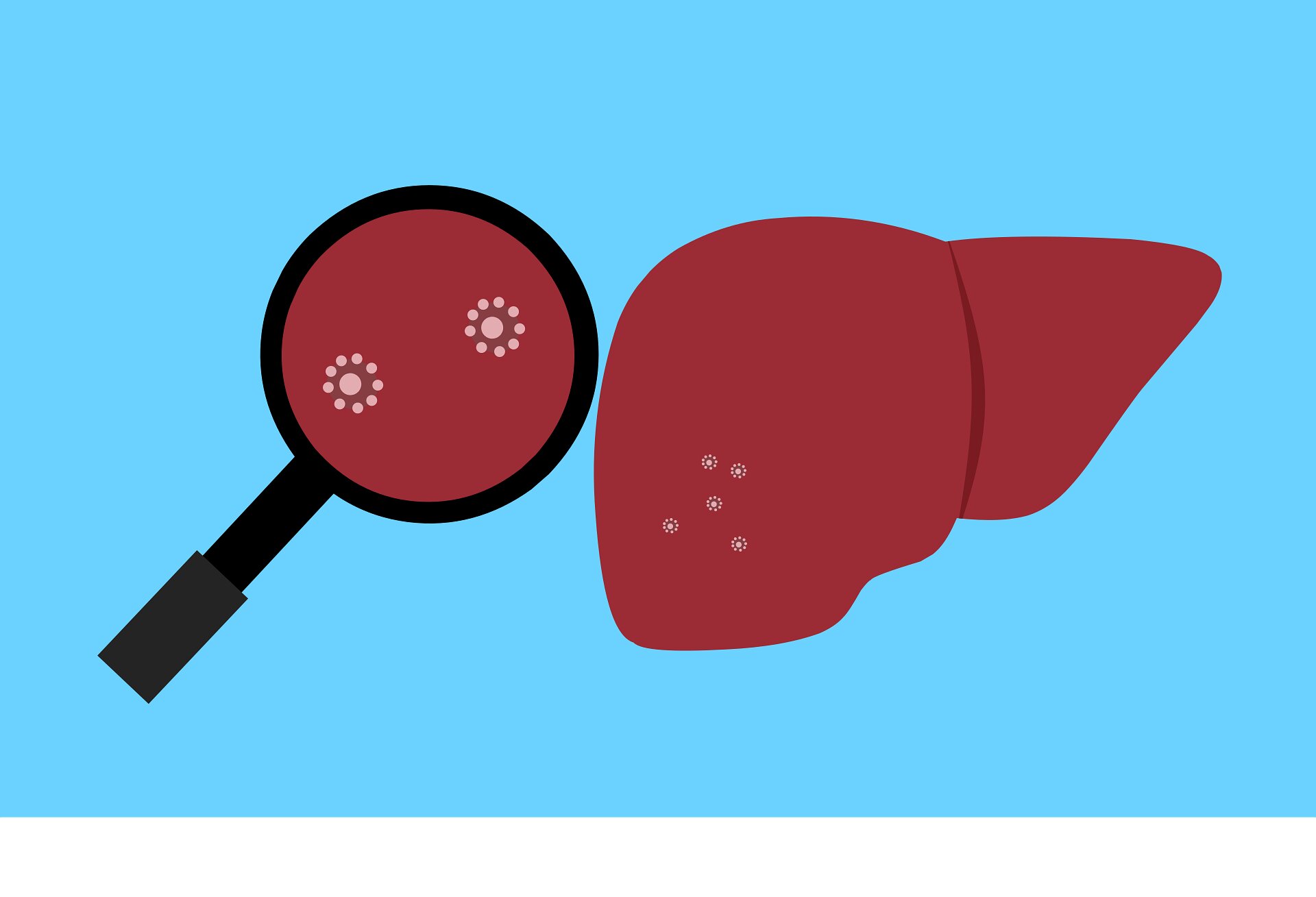
A breakthrough augmented reality technology is transforming minimally invasive liver surgery by providing surgeons with real-time 3D visualizations of tumors and anatomical structures. The system overlays detailed tumor imaging directly onto the surgeon's camera view during laparoscopic procedures, automatically updating as the camera position changes. This innovation addresses a critical challenge in keyhole surgery, where subsurface tumors are traditionally difficult to locate and remove completely. By enhancing surgical precision and visualization, this technology has the potential to improve patient outcomes, reduce complications, and increase the effectiveness of tumor removal in hepatic cancer cases.

Medical Xpress

Originally published on

Medical Xpress

Read full article(opens in new tab)

Fetched: October 20, 2026 at 10:01 AM

More news you might be interested in

View all
New Gene-Editing Platform Gives Doctors Greater Control Over Cell Therapies
Health

New Gene-Editing Platform Gives Doctors Greater Control Over Cell Therapies

Australian researchers have developed an innovative gene-editing platform that enhances doctors' ability to control and optimize cell therapies for patients with complex immune conditions. This clinician-led approach addresses a major limitation in current cell therapy treatments by providing what researchers describe as a 'control dial' to fine-tune therapeutic effectiveness. The advancement could make cell therapies more practical and accessible for patients who previously had limited treatment options. By giving clinicians greater precision in managing how these therapies function, the platform potentially improves safety profiles and treatment outcomes. This breakthrough represents significant progress in personalized medicine and immunotherapy applications.

2 hours ago
Medical Xpress
Routine Liver Cancer Screening Could Save Lives in Alcohol-Related Cirrhosis Patients
Health
CancerHepatitis

Routine Liver Cancer Screening Could Save Lives in Alcohol-Related Cirrhosis Patients

A groundbreaking study from Mass General Brigham demonstrates that regular liver cancer screening is cost-effective and life-saving for people with alcohol-associated cirrhosis, even when their annual cancer risk falls below current screening thresholds. This finding challenges existing guidelines that restrict screening to patients with higher risk levels, potentially allowing earlier detection in a broader population. The research suggests that expanding screening protocols could significantly extend survival rates for at-risk individuals. These results may lead to revised clinical recommendations and improved outcomes for patients with alcohol-related liver disease.

2 hours ago
Medical Xpress
Gentle brain ultrasound may help ease delusions in schizophrenia
Health
Schizophrenia

Gentle brain ultrasound may help ease delusions in schizophrenia

A promising new study shows that targeted ultrasound waves directed at deep brain regions may safely reduce delusions in people with schizophrenia and schizoaffective disorder. These psychiatric conditions often cause patients to experience hallucinations and develop false beliefs that feel completely real. This non-invasive approach using sound waves could offer a gentler alternative to existing treatments for managing debilitating symptoms. The initial research results suggest this technique may help improve quality of life for patients struggling with these serious mental health conditions.

3 hours ago
Medical Xpress
New study identifies immune trigger behind radiation-related lung damage
Health
Cancer

New study identifies immune trigger behind radiation-related lung damage

Researchers at City of Hope have discovered an immune pathway that contributes to radiation-related lung damage, with findings published in Nature Communications. The preclinical study identifies a potential strategy to block this pathway, which could lead to new preventive treatments. This breakthrough is significant for cancer patients undergoing radiation therapy, as it may protect healthy lung tissue from radiation-induced injury. By understanding and targeting this immune mechanism, clinicians could improve treatment outcomes and quality of life for patients receiving thoracic radiation.

3 hours ago
Medical Xpress