LatestYale Scientists Reveal What Really Slows Aging and What Doesn't
Health

Living Alone Poses Greater Health Risk for Young and Middle-Aged Adults Than Seniors

Living Alone Poses Greater Health Risk for Young and Middle-Aged Adults Than Seniors
AnxietyDepressionHeart Disease
Summary

A new study published in the International Journal of Epidemiology challenges the assumption that loneliness primarily affects seniors, revealing that living alone significantly increases mortality risk across multiple causes, particularly for adults aged 18 to 64. Researchers found that younger and middle-aged adults who live alone face substantially higher health risks compared to older populations, suggesting that social isolation affects different age groups differently. The findings highlight the importance of social connections for overall health and longevity across all adult age groups. This research underscores the need for healthcare providers and public health initiatives to address isolation among younger populations as a critical health concern.

Medical Xpress

Originally published on

Medical Xpress

Read full article(opens in new tab)

Fetched: October 31, 2026 at 10:00 AM

More news you might be interested in

View all
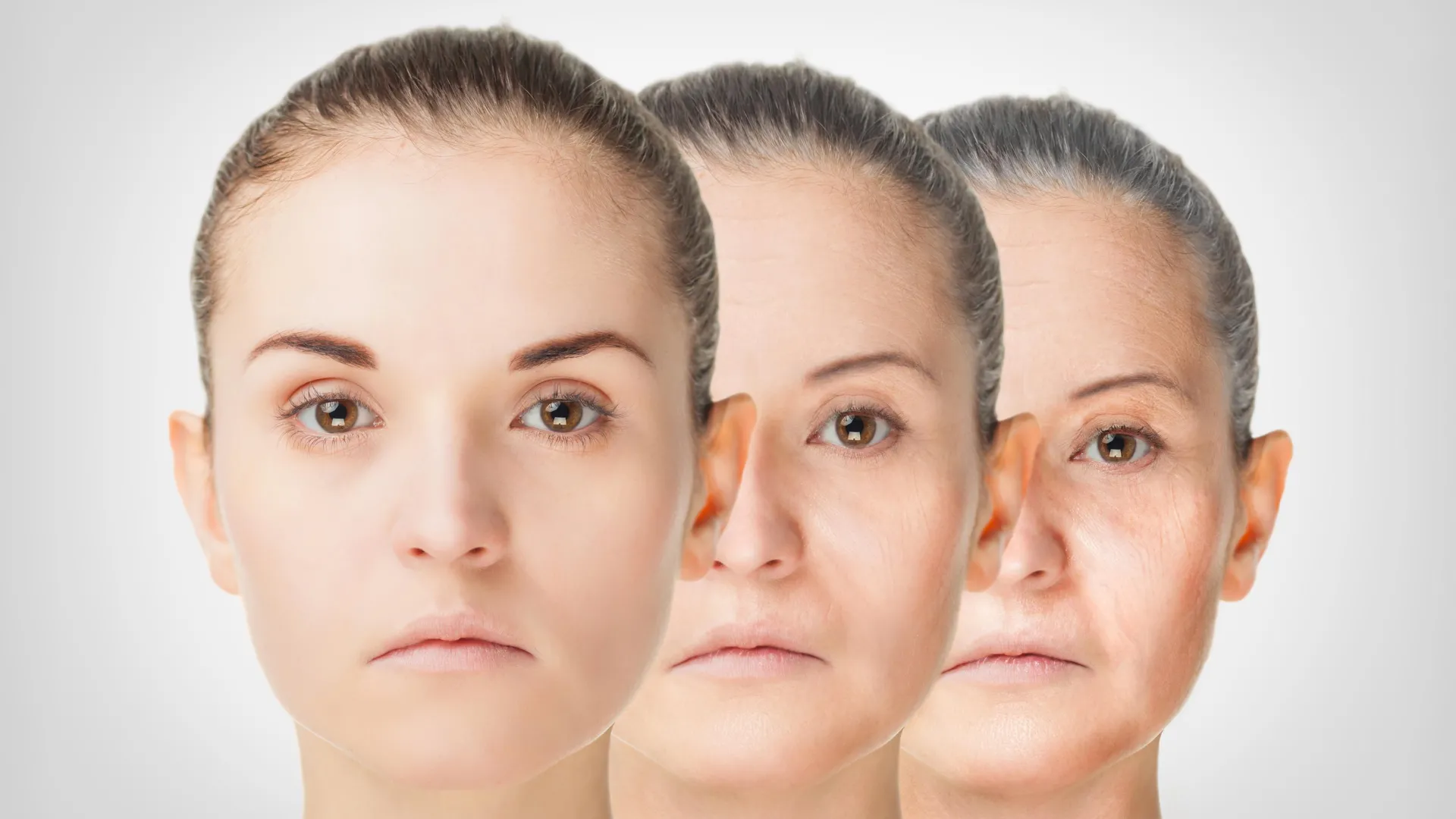
Yale Scientists Reveal What Really Slows Aging and What Doesn't
Health

Yale Scientists Reveal What Really Slows Aging and What Doesn't

Yale researchers analyzed 51 studies and found that certain prescription medications, balanced diets, and regular exercise can measurably slow biological aging at the cellular level. In contrast, popular anti-aging supplements showed little to no effectiveness in slowing aging processes. While these findings could revolutionize how scientists evaluate anti-aging treatments, researchers caution that slowing biological aging doesn't necessarily mean these interventions will extend overall lifespan. This research offers evidence-based guidance for those seeking to optimize their health through proven lifestyle and medical interventions.

yesterday
ScienceDaily Health
Researchers Trial AI Coach for Diabetes Management
Health
Diabetes

Researchers Trial AI Coach for Diabetes Management

Researchers are testing an artificial intelligence coach to help people with type 2 diabetes maintain consistent healthy behaviors. While most patients understand what they need to do—eat healthier, exercise regularly, and take medication—the real challenge is maintaining these habits over time. Unlike acute illnesses, diabetes progresses silently, making it easy to miss doses or skip exercise without immediate consequences, allowing good intentions to fade amid life's demands. The AI coach aims to provide ongoing support and accountability to help patients stay committed to their diabetes management plans.

yesterday
Medical Xpress
Short-term versus chronic stress: How each one affects your body
Health
AnxietyDepression

Short-term versus chronic stress: How each one affects your body

Understanding how stress impacts your health requires knowing whether you're experiencing acute or chronic stress, as each produces different physiological responses. Short-term stress triggers the body's fight-or-flight response, providing temporary benefits like increased focus and energy. However, prolonged chronic stress can lead to serious health complications including anxiety, depression, hypertension, heart disease, and weakened immune function. Learning to distinguish between these stress types helps you better manage their effects and seek appropriate interventions to protect your long-term health.

yesterday
Medical Xpress
AHA: Stopping Statins Safe for Older Adults Without Heart Disease History
Health
High CholesterolHeart Disease

AHA: Stopping Statins Safe for Older Adults Without Heart Disease History

A new study published in the New England Journal of Medicine shows it is generally safe for older adults without prior cardiovascular disease to discontinue statins for primary prevention. The research, presented at the American Heart Association Scientific Sessions 2026 in Chicago, suggests that stopping statin therapy is noninferior to continuing the medication in this population. This finding could help reduce unnecessary long-term medication use and associated costs for seniors without established heart disease. However, decisions about statin discontinuation should still be made individually with healthcare providers based on personal risk factors.

yesterday
Medical Xpress