LatestContinuously Evolving Cells Help Pancreatic Cancer Evade Treatment and Spread
Cannabis

Manitoba Proposes Mandatory Staffing Levels at Cannabis Retailers to Enhance Worker Safety

TG Branfalt
Manitoba Proposes Mandatory Staffing Levels at Cannabis Retailers to Enhance Worker Safety
Summary

Manitoba, Canada is considering amendments to its Liquor, Gaming and Cannabis Control Act that would mandate minimum staffing levels during high-risk hours at cannabis dispensaries and permit the removal of window coverings. The proposed regulatory changes were prompted by a May incident in Winnipeg where a dispensary employee was sexually assaulted during a robbery. These safety measures aim to protect retail workers in the legal cannabis market while improving store visibility and security protocols. The initiative reflects growing attention to workplace safety standards in the regulated cannabis industry across North America.


Originally published on

Ganjapreneur

By TG Branfalt

Read full article(opens in new tab)

Fetched: October 13, 2026 at 10:02 AM

More news you might be interested in

View all
French Patients Demand Medical Cannabis Access as Regulatory Delays Jeopardize 2027 Timeline
Cannabis
Chronic PainEpilepsy

French Patients Demand Medical Cannabis Access as Regulatory Delays Jeopardize 2027 Timeline

French patient advocacy groups are calling on the government to accelerate medical cannabis access expansion, citing significant delays that threaten the planned 2027 implementation timeline. Currently, only patients enrolled in the original clinical trial program maintain their medical cannabis treatments, while new patient enrollment remains blocked. The temporary regulatory framework has stalled progress, prompting organizations to demand the government complete comprehensive regulations and establish concrete timelines for broader access. These delays particularly affect patients with chronic conditions who could benefit from cannabis-based therapeutics while waiting for formal approval pathways.

2 hours ago
Revista Cáñamo
Synthetic Cannabinoid Enhances Defensive Responses by Weakening Brain's Inhibitory Brakes
Cannabis
AnxietyPTSD

Synthetic Cannabinoid Enhances Defensive Responses by Weakening Brain's Inhibitory Brakes

Northwestern University researchers have discovered how a synthetic cannabinoid strengthens defensive behaviors in mice by suppressing the brain's natural inhibitory mechanisms that normally regulate fear responses. The study reveals that certain cannabinoids can modulate neural circuits responsible for threat detection and protective reactions at the cellular level. This research provides crucial insights into how cannabinoids interact with fear-processing brain regions, potentially informing treatment strategies for anxiety and fear-related disorders. Understanding these mechanisms could lead to more targeted therapeutic approaches for conditions involving dysregulated threat responses. The findings highlight the complex relationship between cannabinoid compounds and neurological function.

3 hours ago
Revista Cáñamo
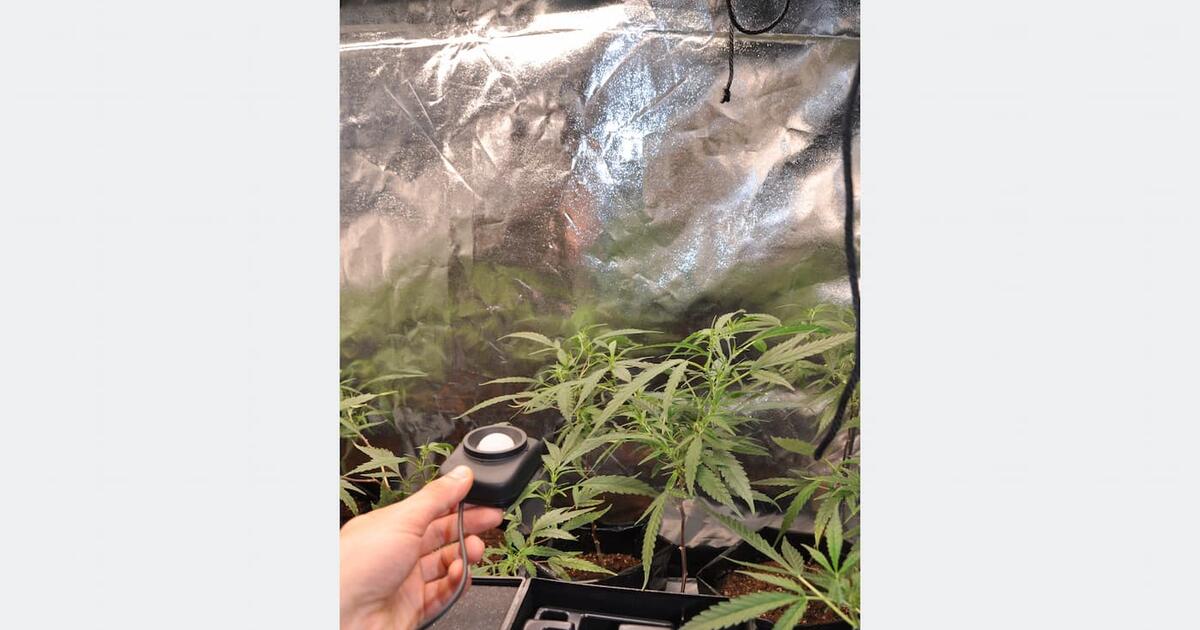
Light for Cannabis: A Technical Guide to Photobiology in Indoor Cultivation
Cannabis

Light for Cannabis: A Technical Guide to Photobiology in Indoor Cultivation

Photobiology—the study of how plants interact with light—plays a critical role in indoor cannabis cultivation, where spectrum quality directly impacts yield and cannabinoid production. Light wavelengths influence plant development stages, affecting THC and CBD synthesis, terpene profiles, and overall therapeutic potency. Understanding spectral requirements enables cultivators to optimize growing conditions for medicinal strains. This technical approach ensures patients receive consistent, high-quality medical cannabis products with predictable cannabinoid and terpene concentrations for therapeutic applications.

3 hours ago
Soft Secrets (Español)
Scottish Hemp Seeks Growth in Oil and Animal Feed Markets
Cannabis
High CholesterolHeart Disease

Scottish Hemp Seeks Growth in Oil and Animal Feed Markets

Scottish farmers and researchers are expanding hemp production to extract seed oil while utilizing press residue for animal feed, creating a dual commercial revenue stream. Hemp seed oil contains beneficial omega-3 and omega-6 fatty acids with potential cardiovascular and anti-inflammatory properties. Available evidence supports this integrated agricultural approach, though scaling production requires strengthening supply chains to meet growing demand. This sustainable model demonstrates how industrial hemp can deliver multiple value-added products while supporting both agricultural and livestock industries. The development reflects broader interest in hemp's nutritional and health applications across agricultural sectors.

4 hours ago
Revista Cáñamo