LatestGlobal Warming Intensifies Risk of Natural Disasters Like Nepal Glacial Flood
Cannabis

Meet the Creator Behind Granddaddy Purple, Cannabis's Most Iconic Strain
Lindsay MaHarry
Meet the Creator Behind Granddaddy Purple, Cannabis's Most Iconic Strain
AnxietyChronic PainInsomnia
Summary

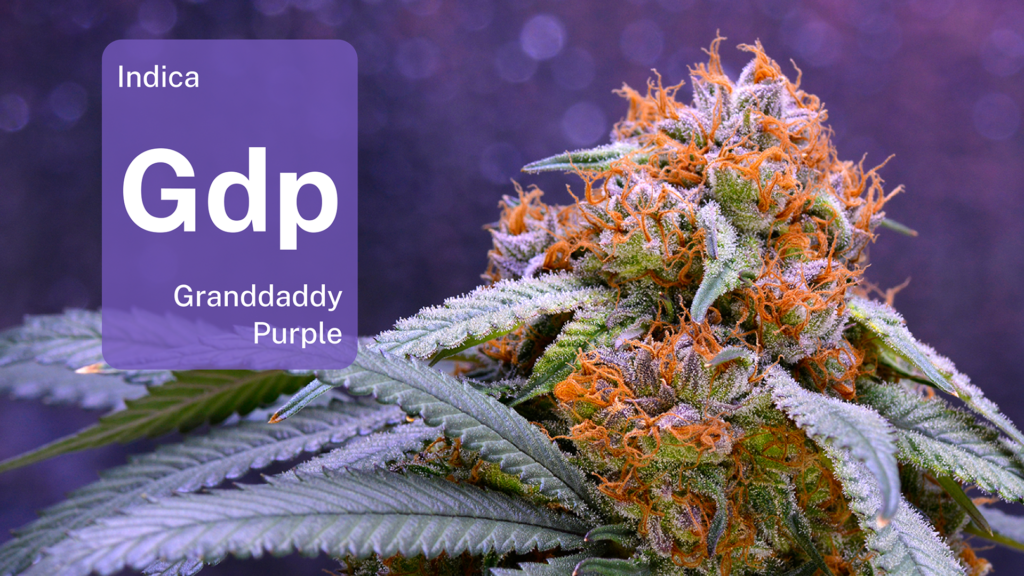
Granddaddy Purple (GDP) remains one of the most celebrated cannabis strains more than two decades after its creation, renowned for its distinctive violet coloring, candy-grape aroma, and potent relaxing effects. This profile examines the origins and development of GDP, exploring the breeder's vision and the strain's journey to becoming a cultural phenomenon. The strain has gained recognition for its therapeutic potential in managing stress and promoting relaxation, making it a cornerstone in both recreational and medical cannabis communities. Understanding the genetics and cultivation philosophy behind GDP offers insights into modern cannabis breeding and strain development. For patients and consumers in Puerto Rico's medical marijuana program, GDP represents an important option for those seeking deeply sedating, indica-dominant effects.

Originally published on

Leafly

By Lindsay MaHarry

Read full article(opens in new tab)

Fetched: July 22, 2026 at 10:03 AM

More news you might be interested in

View all
Cannabis

Federal Appeals Court Sets Timeline for Hemp and CBD Medicare Coverage Litigation

A federal appeals court has established a litigation schedule for a significant case challenging the exclusion of hemp-derived cannabidiol (CBD) products from Medicare coverage in the United States. This legal development could have substantial implications for Medicare beneficiaries seeking access to CBD and hemp-based therapeutic products for various health conditions. The case addresses whether federally legal hemp and CBD products should be covered under Medicare's pharmaceutical benefits, potentially expanding treatment options for eligible patients. The established timeline will determine when arguments will be heard and decisions rendered on this important healthcare access issue.

yesterday
Cannabis Magazine
Cannabis
AnxietyDepression

Study Links Psilocybin Decriminalization to Improved Perceived Safety and Wellness

A community survey published in Social Sciences reveals that psilocybin decriminalization is associated with improvements in perceived safety, access to mental health resources, and overall community wellbeing. The research suggests that removing criminal penalties for psychedelics may reduce stigma and increase individuals' willingness to seek therapeutic support. These findings are significant for mental health policy in Puerto Rico, where access to innovative treatments for depression, anxiety, and PTSD remains limited. The study contributes to growing evidence supporting regulated access to psilocybin-assisted therapy as a complement to traditional mental health treatments.

yesterday
Cannabis Magazine
Dave Asprey: How Biohacking Became a Gateway to Higher Consciousness
Cannabis

Dave Asprey: How Biohacking Became a Gateway to Higher Consciousness

Biohacking pioneer Dave Asprey discusses how optimization practices serve as a foundation for exploring psychedelics, plant medicine, and consciousness expansion. Asprey connects biohacking principles—diet, sleep, and cognitive enhancement—with psychedelic integration and spiritual growth. The conversation explores how intentional lifestyle modifications can prepare the mind and body for transformative experiences with plant-based compounds. For those interested in holistic wellness and consciousness exploration, understanding this integration approach offers insights into combining conventional health optimization with alternative therapeutic modalities.

yesterday
High Times
MJBizDaily
Cannabis

Nearly 900 Applicants Compete for 77 Missouri Marijuana Licenses in Rebuilt Regulatory System

Missouri's medical marijuana program enters its final microbusiness licensing round with heightened competition and stricter ownership requirements following previous mass license revocations. Nearly 900 applicants are vying for just 77 available licenses in a restructured regulatory framework designed to prevent past compliance failures. The state implemented tougher ownership rules to ensure accountability and operational integrity. This competitive licensing environment reflects growing market demand for medical cannabis access while maintaining rigorous regulatory oversight to protect patient safety and program sustainability.

yesterday
MJBizDaily