LatestDr. Joseph E. Murray (1919-2012): The Surgeon Who Opened the Era of Organ Transplantation
Cannabis

Musicians and Cannabis: A History of Legal Persecution in the United States
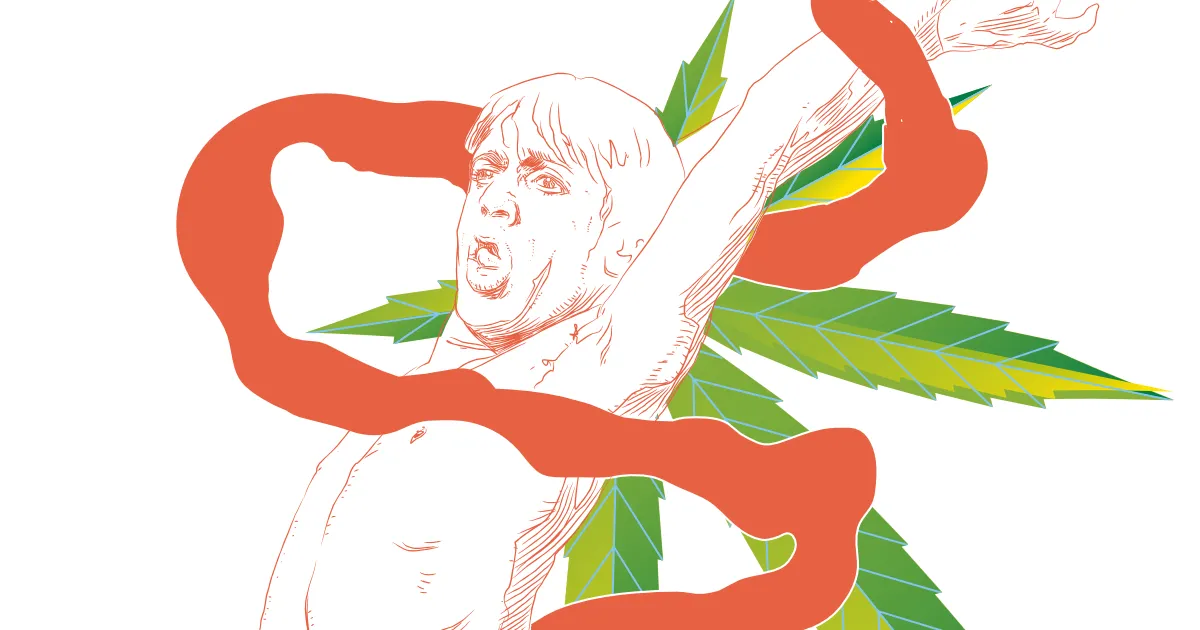
Oswaldo Pérez Cabrera
Musicians and Cannabis: A History of Legal Persecution in the United States
Summary

From the historic arrests of iconic musicians like David Bowie, Carlos Santana, and Willie Nelson to modern cases during the era of state legalization, cannabis and music have shared a long history of government repression in the United States. Despite wealth and fame often serving as legal shields, being a musician who uses cannabis can still result in criminal prosecution. This article examines how cannabis criminalization has disproportionately affected the music industry and how changing state-level legalization efforts are gradually reshaping this landscape, though federal prohibition continues to create legal vulnerabilities for artists.

Originally published on

Revista Cáñamo

By Oswaldo Pérez Cabrera

Read full article(opens in new tab)

Fetched: September 19, 2026 at 10:02 AM

More news you might be interested in

View all
MJBizDaily
Cannabis

Alabama Drops Opposition to Federal Marijuana Rescheduling

Alabama's State Health Officer Scott Harris announced that the public health department's legal team has resolved its concerns regarding federal marijuana rescheduling. This significant policy shift removes a major obstacle to potential DEA reclassification of cannabis from Schedule I, which could expand medical access and research opportunities nationwide. The move reflects growing recognition among state health officials of cannabis's therapeutic potential for various medical conditions. Alabama's change in stance could influence other states and accelerate federal policy reform, potentially benefiting patients in Puerto Rico and other territories seeking legal medical cannabis access.

13 hours ago
MJBizDaily
U.S. Policy Shift on Venezuela: Drug Enforcement and Oil Industry Interests
Cannabis

U.S. Policy Shift on Venezuela: Drug Enforcement and Oil Industry Interests

The United States has removed Venezuela from its list of countries that have 'failed demonstrably' in anti-drug efforts, while maintaining it on the broader list of major drug-transit and producing nations. This policy shift reflects growing cooperation between Washington and Venezuela's interim government, while simultaneously U.S. oil companies and policymakers are expanding their involvement in Venezuela's energy sector. The decision represents a recalibration of U.S. foreign policy balancing drug enforcement priorities with strategic economic interests in the region.

15 hours ago
High Times
MJBizDaily
Cannabis

Michigan Cannabis Regulators Impose Record Fine and Revoke Permit After 'Egregious' Violations

Michigan cannabis regulators have issued the largest fine ever imposed on a cannabis business and revoked a manufacturer's permit—the most severe penalty available—due to egregious regulatory violations. The action targets a popular product maker whose infractions violated state compliance standards. This landmark enforcement action demonstrates regulators' commitment to maintaining product safety and industry accountability in Michigan's cannabis market. The decision underscores the importance of strict adherence to testing, labeling, and quality control regulations that protect patients relying on cannabis for therapeutic purposes.

16 hours ago
MJBizDaily
Spain's Medical Cannabis Decree: The Gap Between Legal Recognition and Patient Access
Cannabis
AnxietyCancer

Spain's Medical Cannabis Decree: The Gap Between Legal Recognition and Patient Access

Spain's Royal Decree 903/2025 marks a historic milestone by establishing the first legal framework for medical cannabis, yet creates a significant paradox by restricting actual patient access through an exclusively hospital-based model that excludes flower forms and home cultivation. The decree officially recognizes cannabis's therapeutic value while simultaneously criminalizing patients who grow their own medicine—a contradiction that undermines fundamental rights. International examples from Canada, Brazil, Argentina, and Germany demonstrate that effective medical cannabis programs require bridging this gap between formal recognition and practical accessibility. This legal inconsistency raises critical questions about whether therapeutic acknowledgment without equitable access truly serves patient needs or merely creates bureaucratic barriers to evidence-based treatment.

19 hours ago
Soft Secrets (Español)