LatestWomen's Organizations Protest Femicides in Latin America at Miss Universe Event
Cannabis

Oklahoma Issues Recall of Sol Terra Medical Cannabis Flowers Due to Mold and Yeast Contamination

Justin Vivero
Summary

Oklahoma's Department of Health issued a November 20th recall of Sol Terra medical cannabis flower products that failed microbial testing for mold and yeast contamination, despite passing initial screening. The affected products had advanced through the first quality control checkpoint but were detected with fungal and yeast growth in subsequent laboratory analysis. Patients who obtained these products should check the official recall list for specific batch codes and product identifiers. This action underscores the critical importance of robust quality assurance protocols in medical cannabis production, as microbial contamination can pose serious health risks to immunocompromised patients and those using cannabis therapeutically for various medical conditions.

Originally published on

Cannabis Magazine

By Justin Vivero

Read full article(opens in new tab)

Fetched: November 23, 2026 at 10:02 AM

More news you might be interested in

View all
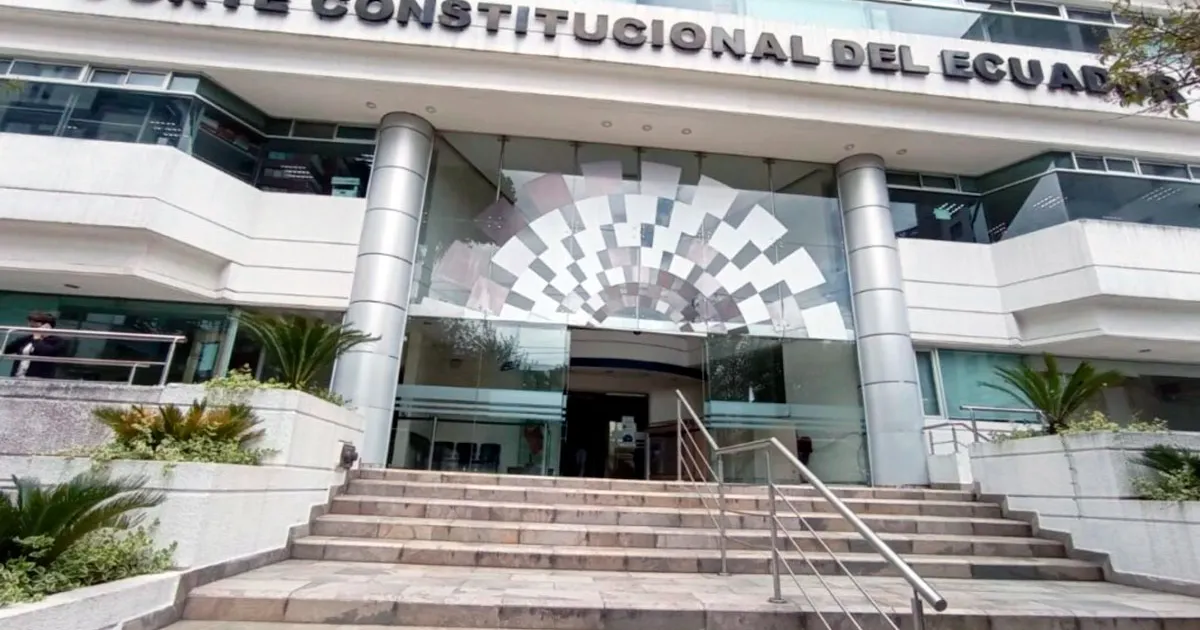
Ecuadorian Cannabis Organizations Appeal to Constitutional Court for Comprehensive Regulation
Cannabis

Ecuadorian Cannabis Organizations Appeal to Constitutional Court for Comprehensive Regulation

Twenty-eight cannabis organizations in Ecuador have filed a constitutional appeal after their comprehensive cannabis regulation bill failed to advance in the legislature due to insufficient valid signatures. The coalition seeks to establish legal protections for users, create clear distinctions between personal consumption and drug trafficking, and secure legislative approval for adult, medicinal, and therapeutic cannabis use. This legal action represents a significant push toward evidence-based cannabis policy that could improve access to treatment for patients with qualifying conditions. The organizations aim to establish regulatory frameworks that balance public health with patient access to medical cannabis therapies.

4 hours ago
Revista Cáñamo
Cannabis

Oregon Issues Cannabis Product Recall After Detecting Bifenthrin Above Safe Limits

Oregon health authorities have initiated a recall of cannabis products sold between June and November after detecting bifenthrin, a synthetic pyrethroid pesticide, exceeding regulatory safety limits. Bifenthrin is commonly used in agricultural applications but poses health risks when inhaled or ingested through contaminated cannabis products, potentially causing respiratory irritation and neurological effects. The public recall list identifies specific batches, product registrations, and affected consumers to prevent continued exposure. This action underscores the critical importance of rigorous pesticide testing and quality control in legal cannabis markets to protect consumer safety. Patients using medical cannabis should verify their products against the official recall list and consult healthcare providers about safe alternatives.

10 hours ago
Cannabis Magazine
Cannabis
AnxietyDepression

US DEA Proposes Expanded Psilocybin Production Quotas for 2026

The U.S. Drug Enforcement Administration has proposed increased production quotas for psilocybin in 2026, distinguishing research quantities from projected medical cannabis reclassification estimates. This regulatory adjustment reflects growing recognition of psilocybin's therapeutic potential in clinical research settings. The proposed expansion aims to support ongoing FDA-approved clinical trials investigating psilocybin's efficacy for treatment-resistant depression, PTSD, and end-of-life anxiety. The move represents a significant shift in federal policy toward psychedelic-assisted therapies and signals potential future medical applications in psychiatric treatment.

10 hours ago
Cannabis Magazine
MJBizDaily
Cannabis

US Cannabis Retail Licenses Hit Two-Year High in Q3 Growth

The US cannabis retail sector achieved its largest quarterly license gain in two years during Q3, adding 205 active retail licenses while cultivation operations shed 322 licenses. Despite the cultivation decline, overall active licenses fell only 0.4%—the smallest drop in eight quarters—signaling market stabilization and renewed retail expansion. This growth trajectory reflects increasing consumer access to regulated cannabis products across the country. For patients in regulated markets, expanded retail availability improves access to medical cannabis for therapeutic purposes. The retail sector's resilience suggests continued market maturation and professional consolidation in the legal cannabis industry.

12 hours ago
MJBizDaily