LatestRicky Martin Affirms His Relevance as a Latin Icon
Health

Penal Code Reform Reaches Executive Branch: What Changed for Puerto Rico's Health Sector

Diario Salud Redacción
Penal Code Reform Reaches Executive Branch: What Changed for Puerto Rico's Health Sector
Summary

Puerto Rico's reformed Penal Code has been submitted to the Executive Branch for review, marking a critical juncture for healthcare policy. Legal experts from JURISALUD provide comparative analysis between the original Law No. 74-25 and the Congressional modifications, examining what has changed, what remains unchanged, and what healthcare issues still require attention. This legislative development has significant implications for medical practice, patient rights, and healthcare delivery across the island. The analysis highlights key gaps between proposed reforms and healthcare sector needs that may require further legislative action.


Originally published on

DiarioSalud.do

By Diario Salud Redacción

Read full article(opens in new tab)

Fetched: July 27, 2026 at 10:02 AM

More news you might be interested in

View all
Ricky Martin Affirms His Relevance as a Latin Icon
Health

Ricky Martin Affirms His Relevance as a Latin Icon

Puerto Rican artist Ricky Martin demonstrated why he remains an iconic figure in Latin music during his performance in Huelva, Spain. At 54 years old, the legendary performer showcased his enduring relevance and vitality in the entertainment industry, proving that decades of success since the 1990s have not diminished his star power. Martin's continued ability to captivate audiences reflects the significant cultural influence of Latin artists in the global entertainment landscape. His performance underscores the importance of maintaining physical and mental wellness for sustained professional excellence throughout one's career.

2 hours ago
NotiCel
Generic Drug Tariffs Set to Skyrocket in 2028 Under New Policy
Health
AsthmaHigh Cholesterol

Generic Drug Tariffs Set to Skyrocket in 2028 Under New Policy

On July 21, President Trump announced that generic medication imports will maintain a 0% tariff through August 1 for two years, after which rates will increase to 100% for one year, then 200% in 2029. This significant escalation poses serious concerns for Puerto Rico's healthcare system, which relies heavily on affordable generic medications to treat chronic conditions affecting the island's population. These tariffs could substantially increase medication costs for patients managing diabetes, hypertension, heart disease, and other common health conditions. Healthcare stakeholders and patients should prepare for potential price increases and reduced access to essential generic medications in the coming years.

2 hours ago
NotiCel
Supreme Court Upholds Arbitration Clause in Solar Panel Contracts
Health

Supreme Court Upholds Arbitration Clause in Solar Panel Contracts

The U.S. Supreme Court ruled 6-3 on July 10 that arbitration clauses in Sunrun solar panel contracts are valid and enforceable, requiring consumers to resolve disputes through private arbitration rather than court proceedings. This decision affects homeowners who have signed solar installation agreements containing such clauses, potentially limiting their legal recourse options. The ruling impacts consumers across the country, including those in Puerto Rico who have invested in residential solar energy systems. Customers should review their solar panel contracts to understand their dispute resolution rights and any limitations on seeking legal remedies through traditional courts.

2 hours ago
NotiCel
Infectious Disease Society Highlights PROA's Critical Role in Combating Antimicrobial Resistance
Health

Infectious Disease Society Highlights PROA's Critical Role in Combating Antimicrobial Resistance

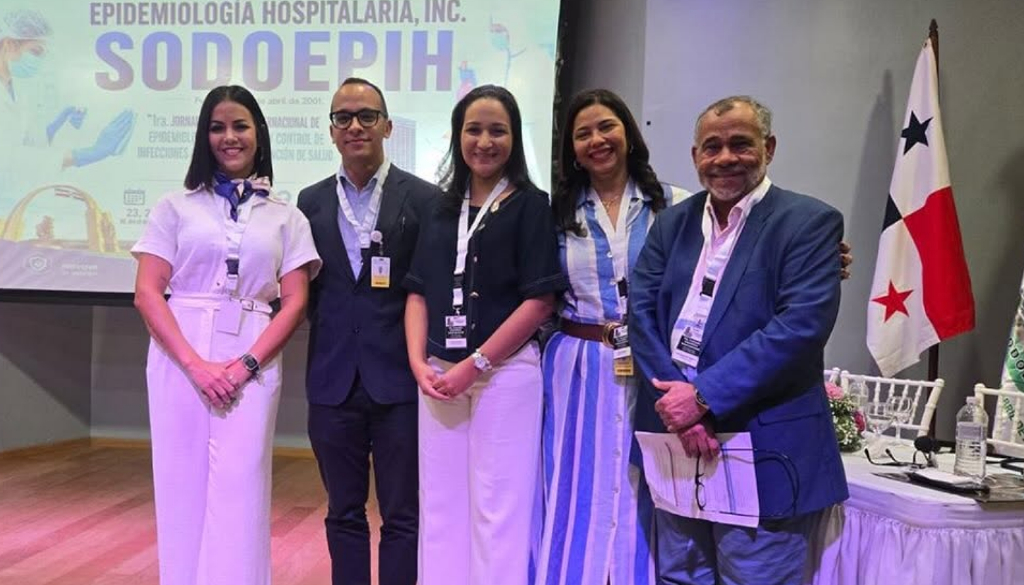
The Dominican Society of Infectiology reaffirmed its commitment to continuous medical education and strengthening strategies to combat antimicrobial resistance during the First International Conference of the Dominican Hospital Epidemiology Society. PROA (Antimicrobial Stewardship Programs) represent a coordinated approach to optimize antibiotic use and reduce the development of drug-resistant infections. This initiative is vital for healthcare providers and patients, as antimicrobial resistance poses a significant global health threat, increasing treatment failures and healthcare costs. The society's emphasis on education and implementation of stewardship programs helps preserve antibiotic effectiveness for current and future generations.

2 hours ago
DiarioSalud.do