LatestNorth Macedonia Reports Fifth West Nile Virus Death
Health

Reduce Protein to Live Longer? Nutrition Experts Say That's a Bad Idea

Lauren Chan
Reduce Protein to Live Longer? Nutrition Experts Say That's a Bad Idea
Osteoporosis
Summary

Recent research has suggested that reducing protein intake could increase human longevity, but nutrition experts strongly caution against this approach. Adequate protein is essential for maintaining muscle mass, bone strength, immune function, and metabolic health—particularly as people age. Drastically cutting protein could lead to muscle wasting, increased fracture risk, weakened immunity, and nutritional deficiencies. Experts recommend consulting healthcare providers before making significant dietary changes, as balanced protein intake remains crucial for overall health and quality of life.

Stat News

Originally published on

STAT News

By Lauren Chan

Read full article(opens in new tab)

Fetched: August 20, 2026 at 10:00 AM

More news you might be interested in

View all
North Macedonia Reports Fifth West Nile Virus Death
Health

North Macedonia Reports Fifth West Nile Virus Death

North Macedonia confirmed its fifth death attributed to West Nile virus infection on Saturday, prompting health authorities to intensify mosquito control measures across the country. West Nile virus is transmitted to humans through infected mosquito bites and can cause severe neurological complications, including encephalitis and meningitis. The outbreak underscores the importance of mosquito prevention strategies, including insecticide spraying and personal protective measures such as using insect repellent and wearing protective clothing. Residents in affected areas are advised to take precautions against mosquito exposure, particularly during dawn and dusk hours when mosquitoes are most active. This situation highlights the ongoing public health threat posed by vector-borne diseases in the region.

22 hours ago
Medical Xpress
Officials warn wildland firefighters about supplement risks from smoke exposure
Health

Officials warn wildland firefighters about supplement risks from smoke exposure

Fire and medical officials have issued warnings about a supplement being offered to Western wildland firefighters exposed to toxic chemicals from large wildfires. The supplement, promoted as protection against smoke inhalation and chemical exposure, has raised safety concerns among health authorities who question its effectiveness and potential risks. Firefighters face significant health hazards from prolonged exposure to wildfire smoke containing harmful particulates and toxic compounds. Medical experts recommend consulting healthcare providers before using any supplements, particularly those marketed without rigorous clinical testing. This warning underscores the importance of evidence-based protective measures for workers in high-risk environments.

23 hours ago
Medical Xpress
Automatic Crash Alerts Should Be Standard and Free in All New Vehicles, Experts Say
Health

Automatic Crash Alerts Should Be Standard and Free in All New Vehicles, Experts Say

Medical experts from the American College of Surgeons Committee on Trauma recommend making automatic crash notification (ACN) systems a standard safety feature in all new vehicles, similar to seat belts and airbags. Currently, ACN is often offered as a premium service that may discontinue when subscriptions expire, limiting its life-saving potential. The research, published in the Journal of the American College of Surgeons, highlights how ACN rapidly alerts emergency responders to accidents, reducing response times and improving survival rates. Making this technology standard and free would ensure all drivers and passengers benefit from faster emergency medical care.

23 hours ago
Medical Xpress
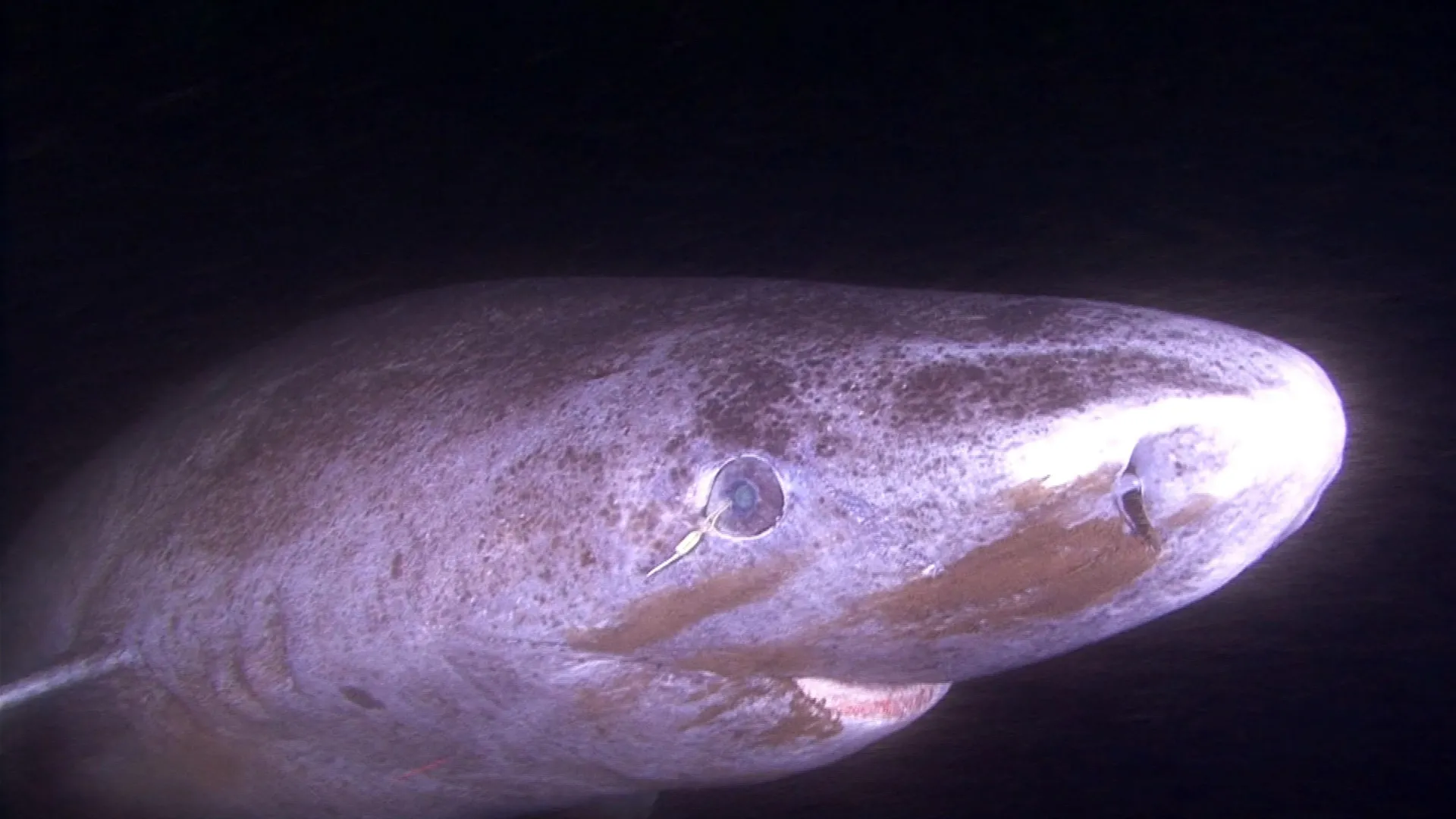
This shark can live 400 years. Its eyes barely seem to age
Health

This shark can live 400 years. Its eyes barely seem to age

Greenland sharks may live for 400 years without experiencing typical age-related retinal decline, according to recent research. Scientists discovered healthy eye tissue and active proteins specially adapted for vision in the dark Arctic depths, along with efficient DNA repair mechanisms that preserve eye function across centuries. This remarkable finding could provide valuable insights into protecting human vision as we age and preventing age-related vision loss. The discovery opens new research avenues for understanding how certain organisms maintain cellular health over extremely long lifespans, potentially leading to therapeutic approaches for age-related eye diseases in humans.

yesterday
ScienceDaily Health