LatestBrain-Heart Interactions May Predict Recovery from Oxygen Loss
Health

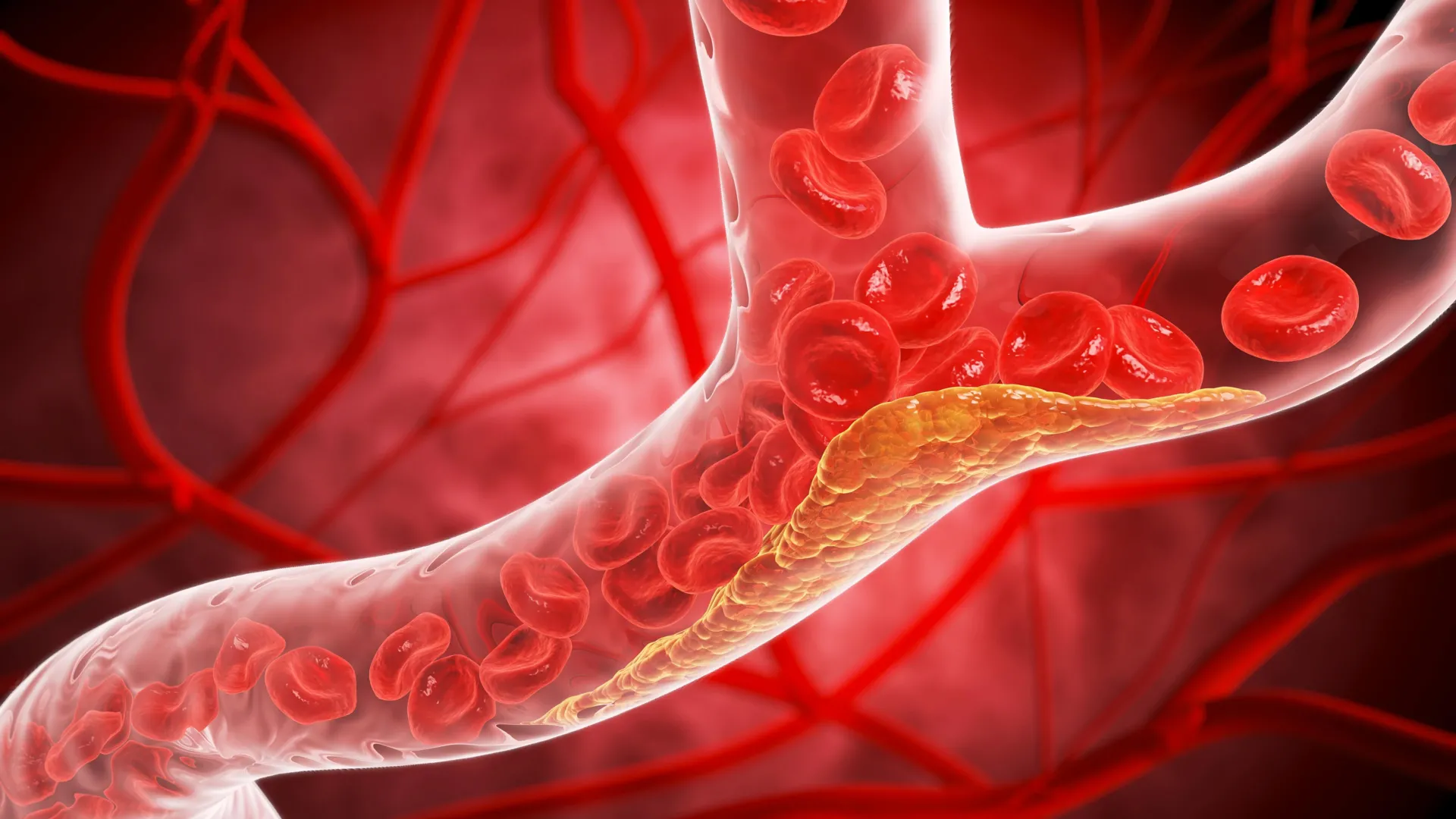
Scientists discover a hidden driver of high cholesterol and a way to stop it

Scientists discover a hidden driver of high cholesterol and a way to stop it
High CholesterolHeart Disease
Summary

Researchers have identified a previously unknown mechanism that allows high-cholesterol diets to suppress the body's natural cholesterol-regulating defenses. By blocking this pathway in mice, scientists achieved dramatic reductions in harmful LDL cholesterol. Notably, an experimental drug already targeting this mechanism has completed early human safety trials, potentially accelerating development of a new cholesterol treatment. This breakthrough could offer patients with high cholesterol more effective therapeutic options beyond current medications.
Science Daily

Originally published on

ScienceDaily Health

Read full article(opens in new tab)

Fetched: November 1, 2026 at 10:00 AM

More news you might be interested in

View all
Brain-Heart Interactions May Predict Recovery from Oxygen Loss
Health
Heart Disease

Brain-Heart Interactions May Predict Recovery from Oxygen Loss

Researchers from the Paris Brain Institute have discovered that brain-heart interactions may predict survival outcomes in patients recovering from cerebral anoxia, a severe condition caused by lack of oxygen to the brain. Using a rat model, scientists Diego Candia-Rivera and Sofia Carrion-Falgarona found that monitoring how the brain and heart communicate could help identify which patients are more likely to survive and recover better. Cerebral anoxia is a leading global cause of death, and survivors often face persistent neurological complications that significantly impact quality of life. This breakthrough research, published in eNeuro, builds on previous studies showing these interactions can assess symptom severity. Understanding these predictive markers could revolutionize patient care and recovery strategies.

yesterday
Medical Xpress
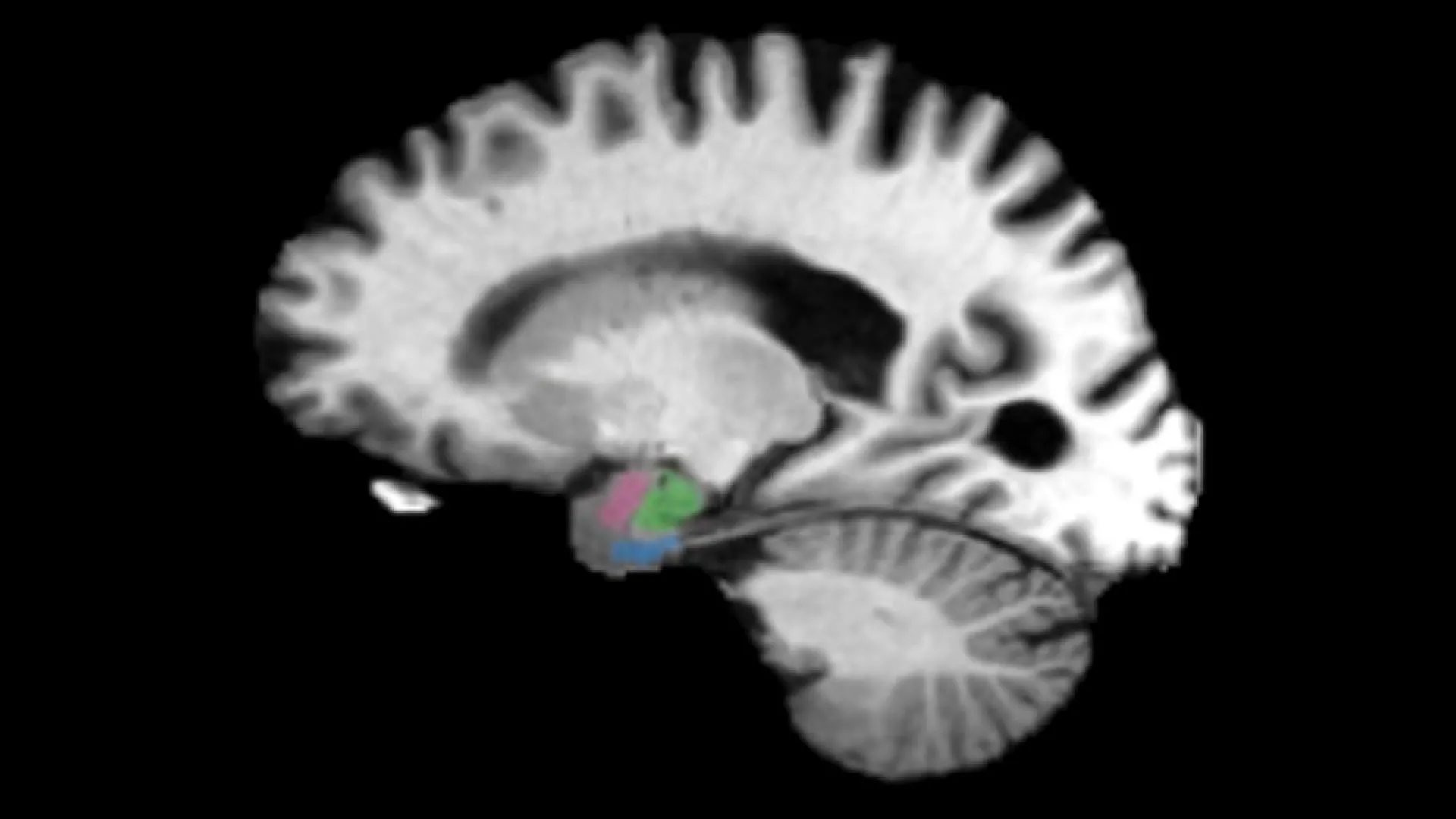
Alzheimer's may start shrinking two brain regions years before memory loss
Health
Alzheimer's Disease

Alzheimer's may start shrinking two brain regions years before memory loss

Researchers at Johns Hopkins University have identified early warning signs of Alzheimer's disease that may appear up to a decade before memory loss occurs. Brain imaging studies show that two regions responsible for memory and emotion processing begin to shrink before the hippocampus, the area doctors typically monitor for Alzheimer's signs. These changes are associated with abnormal tau protein accumulation in the brain. This breakthrough discovery could revolutionize early detection and intervention strategies, allowing physicians to identify at-risk individuals much earlier and potentially slow disease progression before significant cognitive decline begins.

yesterday
ScienceDaily Health
AI Discovers Hidden Heart Signal That Could Predict Sudden Cardiac Death
Health
Heart Disease

AI Discovers Hidden Heart Signal That Could Predict Sudden Cardiac Death

Researchers have identified a previously undetected warning sign in routine heart scans using artificial intelligence that could predict sudden cardiac death with greater accuracy than conventional screening methods. This breakthrough discovery has the potential to identify thousands of at-risk individuals who might otherwise go undiagnosed, allowing doctors to intervene before a fatal heart malfunction occurs. The AI-powered approach outperformed traditional diagnostic techniques, offering new hope for preventing one of the leading causes of unexpected death. This advancement could significantly improve patient outcomes and save lives by enabling early detection and preventive treatment strategies.

yesterday
ScienceDaily Health
Keep health at the center of public discussions on nuclear risk, researchers urge
Health
AnxietyPTSD

Keep health at the center of public discussions on nuclear risk, researchers urge

More than 100 international medical journal editors have jointly published an editorial calling on health professionals to prioritize health considerations in public discourse about nuclear risks amid escalating geopolitical tensions. This unified advocacy emphasizes the critical role of the healthcare community in shaping policy conversations and raising awareness about the potential health consequences of nuclear incidents. Health professionals are urged to engage actively in discussions about nuclear preparedness, radiation exposure risks, and emergency medical response capabilities. The editorial highlights that medical expertise is essential for informing the public and policymakers about the serious health implications associated with nuclear threats and accidents.

yesterday
Medical Xpress