Scientists Discover How Common Gut Bacteria Triggers Colon Cancer
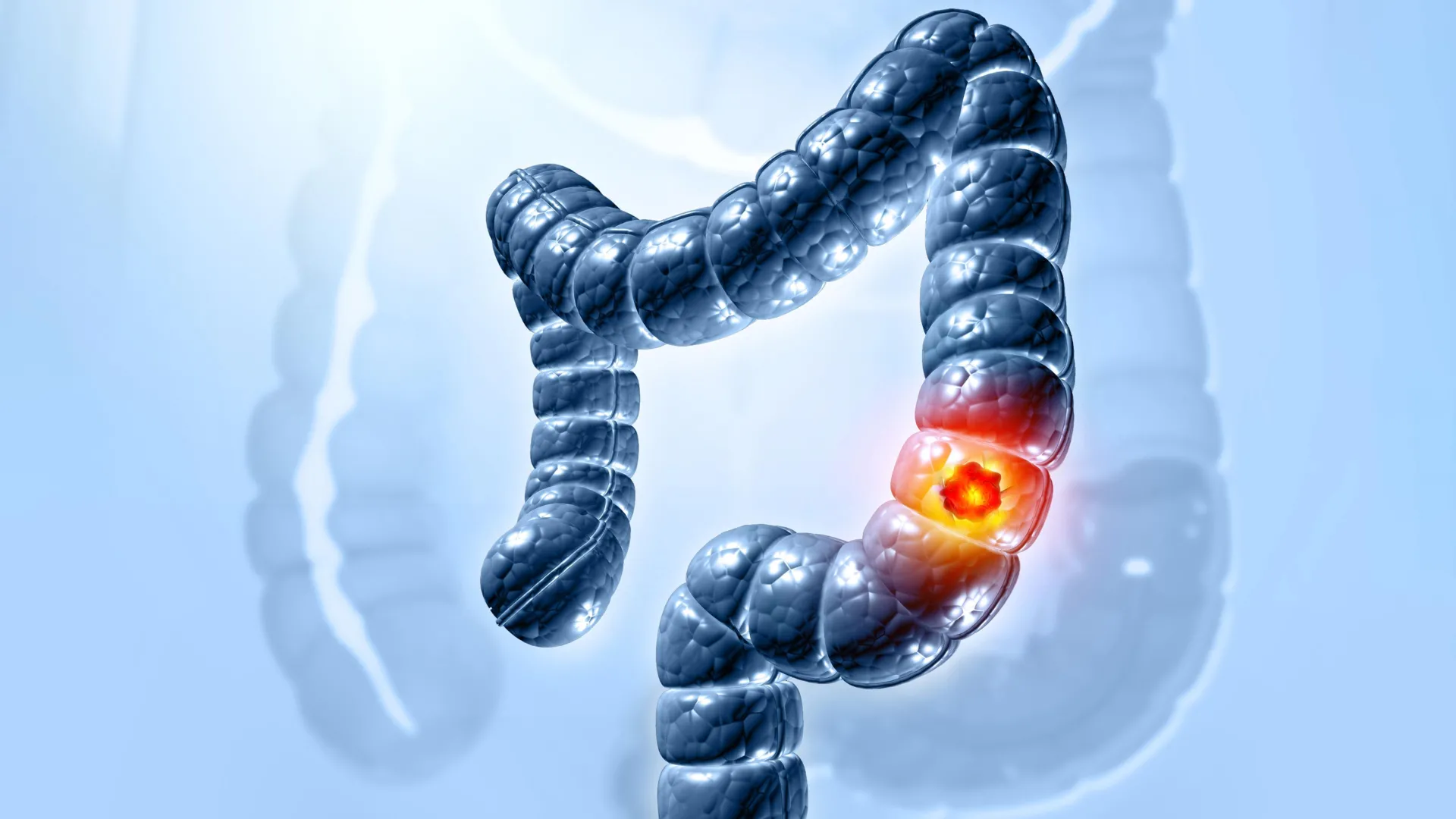
Researchers have identified the mechanism by which a bacterial toxin causes colorectal cancer: it binds to a receptor called claudin-4 to breach cell protective barriers. Using this discovery, scientists developed a decoy protein that successfully blocked the toxin in mice, preventing inflammation and tumor formation. This breakthrough could revolutionize prevention strategies for colorectal cancer, one of the most common cancers worldwide. The findings offer hope for new therapeutic approaches that target the specific bacterial interaction rather than treating cancer after it develops. Early intervention using this decoy protein may significantly reduce colorectal cancer risk in high-risk populations.

Originally published on
ScienceDaily Health
Read full article(opens in new tab)Fetched: July 16, 2026 at 10:01 AM