LatestBridging the Gap Between Genetic Variation and Brain Cell Function
Health

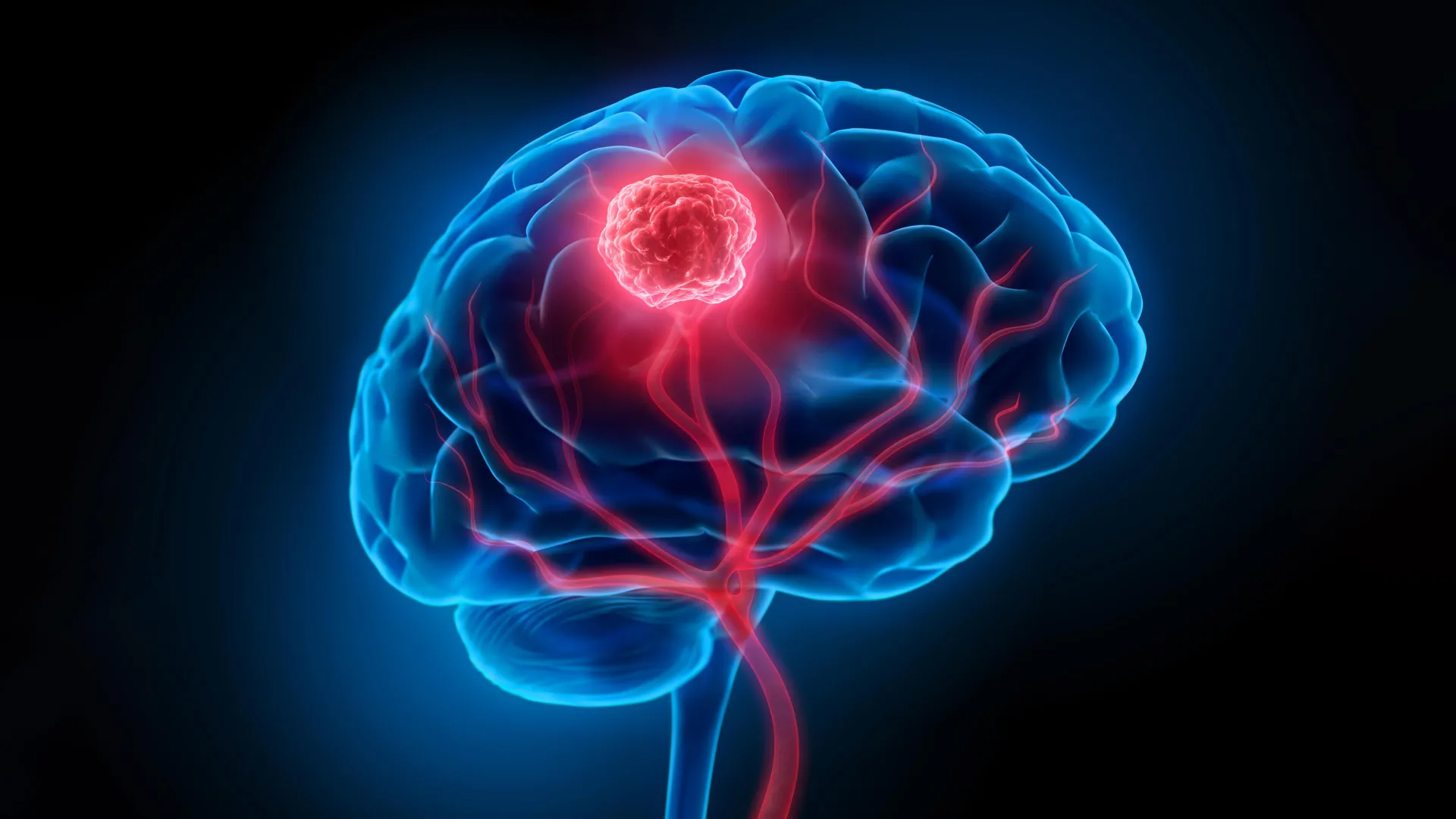
Scientists Eliminate Deadly Brain Tumors in All Mice Using Breakthrough Cancer Therapy
Scientists Eliminate Deadly Brain Tumors in All Mice Using Breakthrough Cancer Therapy
Cancer
Summary

Researchers at UC San Francisco have developed B-SYNC CAR-T cells, an innovative immunotherapy that remains dormant until reaching the brain, where it activates to attack tumors. In preclinical studies, this engineered cell therapy completely eliminated diffuse midline glioma (DMG), an aggressive childhood brain cancer with nearly 100% mortality within one year, in all tested mouse models. DMG represents one of the most lethal pediatric cancers, making this breakthrough potentially transformative for young patients with limited treatment options. The targeted approach minimizes systemic side effects by concentrating therapeutic activity only in tumor tissue. While human trials remain ahead, this advancement offers new hope for families facing this devastating diagnosis.

Science Daily

Originally published on

ScienceDaily Health

Read full article(opens in new tab)

Fetched: November 9, 2026 at 10:01 AM

More news you might be interested in

View all
Bridging the Gap Between Genetic Variation and Brain Cell Function
Health
Alzheimer's Disease

Bridging the Gap Between Genetic Variation and Brain Cell Function

Researchers are making significant progress in understanding how genetic variations linked to brain diseases like Alzheimer's affect specific cellular functions. This breakthrough research bridges the gap between identifying genetic risk factors and comprehending their actual impact on brain cell behavior and disease development. Scientists are using advanced techniques to study how genetic changes influence cell function, moving closer to targeted treatments. This discovery is crucial for developing more effective therapies and personalized medicine approaches for neurodegenerative diseases. Understanding these mechanisms could lead to earlier interventions and better outcomes for patients at genetic risk.

42 minutes ago
Medical Xpress
How Pre-Transplant Radiation or Chemotherapy Affects Immune System Recovery After Bone Marrow Transplant
Health
Cancer

How Pre-Transplant Radiation or Chemotherapy Affects Immune System Recovery After Bone Marrow Transplant

Researchers at USC Stem Cell lab used genetic barcoding to track how individual human blood-forming stem cells regenerate after bone marrow transplantation into mice. The study examined how different pre-transplant conditioning treatments—radiation or chemotherapy used to prepare recipients—affect the recovery of blood and immune cells. These findings could help optimize transplant protocols to improve patient outcomes. Understanding which conditioning approaches best preserve immune function may lead to personalized treatment strategies for bone marrow transplant recipients.

42 minutes ago
Medical Xpress
Faith-Based Addiction Recovery Groups Seek Increased Federal Funding Under RFK Jr.
Health

Faith-Based Addiction Recovery Groups Seek Increased Federal Funding Under RFK Jr.

Robert F. Kennedy Jr. is advocating for increased federal support for faith-based addiction recovery programs, a shift in funding priorities that has raised concerns among medical experts. Currently, these organizations receive minimal federal funding compared to traditional medical treatment facilities. Medical professionals worry that prioritizing faith-based approaches may limit access to evidence-based addiction medications such as medication-assisted treatment (MAT), which have demonstrated effectiveness in reducing substance use and improving long-term recovery outcomes. The debate highlights the tension between expanding treatment options and ensuring all patients have access to proven pharmacological interventions for addiction disorders.

1 hour ago
STAT News
Opinion: Balancing Staff Safety with Patient Trust in Hospitals
Health

Opinion: Balancing Staff Safety with Patient Trust in Hospitals

Hospital 'zero tolerance' policies for disruptive behavior, while well-intentioned, may inadvertently damage the trust between patients, families, and healthcare institutions. Experts argue that hospitals can effectively protect staff safety through alternative approaches that maintain compassionate care environments. Research shows that overly punitive signage and policies can deter patients from seeking necessary medical care or reporting concerns. A balanced strategy combining clear behavioral expectations, de-escalation training, and mental health support addresses both worker protection and patient-centered care. The key is implementing comprehensive solutions that safeguard everyone without creating adversarial hospital environments.

1 hour ago
STAT News