LatestCongo's Ebola Outbreak Surpasses 10,000 Cases as Health Authorities Combat Spread
Health

Scientists Map Brain's Hidden Wiring Using RNA Barcodes in Major Breakthrough
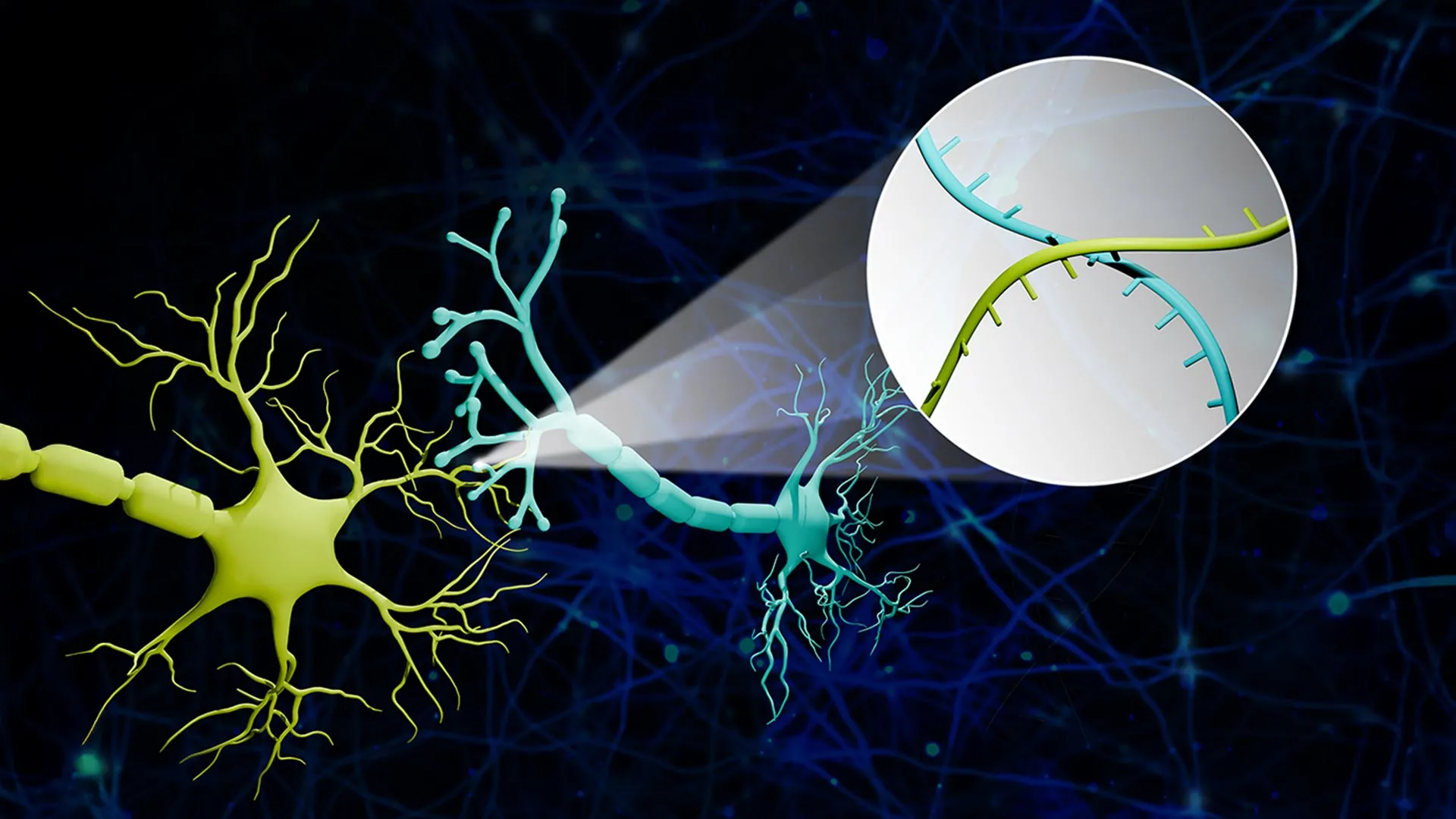
Scientists Map Brain's Hidden Wiring Using RNA Barcodes in Major Breakthrough
Alzheimer's DiseaseAutismEpilepsyMultiple SclerosisParkinson's Disease
Summary

Researchers have developed a revolutionary technique using RNA "barcodes" to map neural connections with single-synapse precision, dramatically accelerating brain mapping research. This cutting-edge method transforms brain mapping into a sequencing task, making it faster and more scalable than traditional approaches. In mice studies, the technique revealed previously unknown connections between brain cells, opening new avenues for understanding brain architecture. These discoveries could enable earlier detection and development of targeted treatments for neurological diseases including Alzheimer's, Parkinson's, autism, and epilepsy. This breakthrough represents a significant step forward in neuroscience research with profound implications for treating brain disorders.

Science Daily

Originally published on

ScienceDaily Health

Read full article(opens in new tab)

Fetched: April 8, 2026 at 10:11 AM

More news you might be interested in

View all
Congo's Ebola Outbreak Surpasses 10,000 Cases as Health Authorities Combat Spread
Health

Congo's Ebola Outbreak Surpasses 10,000 Cases as Health Authorities Combat Spread

The Ebola outbreak in the Democratic Republic of Congo has reached a critical milestone with over 10,000 confirmed cases reported by government health authorities. This fast-moving viral hemorrhagic fever continues to spread across multiple African nations, prompting urgent containment efforts by international health organizations. Ebola, which causes severe fever, bleeding, and organ failure with high mortality rates, requires immediate isolation and supportive care for infected patients. Health authorities are implementing contact tracing, vaccination campaigns, and infection control measures to prevent further transmission. The escalating case count underscores the importance of global disease surveillance and preparedness in combating emerging infectious diseases.

1 hour ago
Medical Xpress
Pennsylvania Dutch Community Takes Drug Development Into Its Own Hands
Health

Pennsylvania Dutch Community Takes Drug Development Into Its Own Hands

A small Pennsylvania Dutch community is launching its own biopharmaceutical company to address a drug shortage crisis that major pharmaceutical companies have neglected. Facing limited access to essential medications and frustrated by the slow pace of drug development, this tight-knit community decided to develop treatments themselves. This grassroots initiative represents an unusual but growing trend of communities taking healthcare innovation into their own hands when traditional solutions fail. The project demonstrates how local determination can drive pharmaceutical advancement and potentially improve access to lifesaving medications for underserved populations.

2 hours ago
STAT News
Opinion: Cancer vaccines are finally here. How do we get them to patients?
Health
Cancer

Opinion: Cancer vaccines are finally here. How do we get them to patients?

Cancer vaccines represent a major breakthrough in oncology, but experts Karen E. Knudsen and Othman Laraki warn that getting these life-saving treatments to patients quickly requires addressing significant challenges now. Drawing parallels to the slower adoption of BRCA genetic testing, they highlight barriers in accessibility, distribution, and implementation that could delay patient access to these innovative therapies. The success of cancer vaccine programs depends on proactive solutions to ensure equitable availability across all patient populations. Understanding these challenges is critical for healthcare providers, policymakers, and patients in Puerto Rico seeking to benefit from this transformative cancer treatment approach.

2 hours ago
STAT News
Opinion: Emergency Pediatric Care Is Now in Permanent Crisis Mode
Health

Opinion: Emergency Pediatric Care Is Now in Permanent Crisis Mode

According to medical experts Jonathan Kohler and Mary King, emergency pediatric departments across the country have normalized the severe patient overcrowding that was considered unprecedented in 2022. What was once viewed as a crisis situation has become routine, with crowded conditions now occurring regularly in emergency rooms. This shift reflects systemic challenges in pediatric emergency care capacity and resource allocation. The normalization of crisis-level crowding raises concerns about wait times, care quality, and patient outcomes for children seeking emergency medical treatment.

2 hours ago
STAT News