LatestGlobal Warming Intensifies Risk of Natural Disasters Like Nepal Glacial Flood
Health

Second PSMA PET Scan Changes Treatment for Nearly Half of Prostate Cancer Patients

Second PSMA PET Scan Changes Treatment for Nearly Half of Prostate Cancer Patients
Cancer
Summary

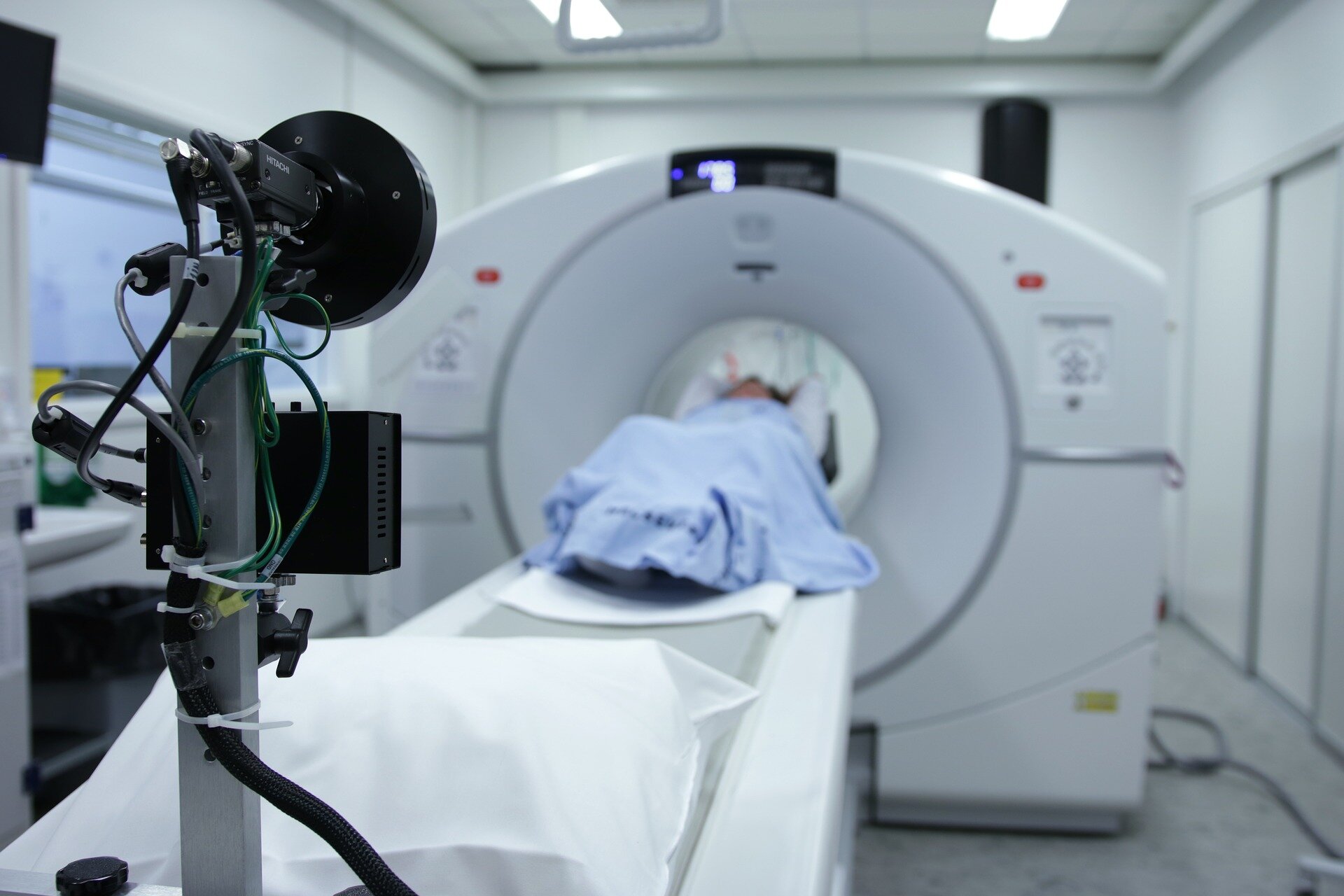
New research published in The Journal of Nuclear Medicine reveals that a second prostate-specific membrane antigen (PSMA) PET scan changed treatment plans for nearly 50% of patients whose initial scan was negative. These repeat scans detected both localized and distant disease that was missed on the first examination. This finding underscores the importance of repeat imaging in prostate cancer management, particularly for patients with negative initial results. The discovery could significantly improve outcomes by identifying cancer that requires treatment intervention, offering patients more accurate staging and appropriate therapeutic options.
Medical Xpress

Originally published on

Medical Xpress

Read full article(opens in new tab)

Fetched: July 12, 2026 at 10:12 AM

More news you might be interested in

View all
Global Warming Intensifies Risk of Natural Disasters Like Nepal Glacial Flood
Health

Global Warming Intensifies Risk of Natural Disasters Like Nepal Glacial Flood

Global warming is intensifying the frequency and severity of natural disasters, as evidenced by a catastrophic glacial collapse in Nepal that killed over 390 people along the Tibet border. The U.S. Geological Survey (USGS) and Chinese authorities confirmed that melting glaciers caused by climate change triggered this devastating flood. Such climate-driven disasters pose significant public health risks, including injuries, waterborne diseases, and displacement that can compromise access to medical care. Communities in mountainous regions and those dependent on glacier-fed water systems face heightened vulnerability. Understanding these climate-health connections is critical for developing disaster preparedness and healthcare resilience strategies.

22 hours ago
NotiCel
Defending Judicial Independence in Puerto Rico
Health

Defending Judicial Independence in Puerto Rico

This article addresses the importance of maintaining judicial independence in Puerto Rico's court system. The statement clarifies that expressed opinions do not represent the institutional position of the Judiciary, in accordance with Judicial Ethics Canons 24 and 25. The President of the Puerto Rico Judges Association shares perspectives on protecting the judiciary's autonomy within the legal framework. Understanding judicial independence is crucial for ensuring fair legal processes that protect public health policies and healthcare rights for all citizens.

22 hours ago
NotiCel
Judge Halts Government, Maintains Physician Services Contract
Health

Judge Halts Government, Maintains Physician Services Contract

Judge Katarina M. Stipec Rubio of the San Juan First Instance Court rejected the Puerto Rico Government's reconsideration request, maintaining the provisional remedy that prevents the Department of Correction and Rehabilitation (DCR) from enforcing or implementing a new contract to replace current healthcare services. This judicial decision ensures continuity of medical services for incarcerated individuals during the legal proceedings. The ruling underscores the court's commitment to protecting healthcare access within correctional facilities and maintaining service stability during contractual disputes.

22 hours ago
NotiCel
AstraZeneca's Failed Heart Disease Trial Raises Questions About New Drug Class
Health
Heart Disease

AstraZeneca's Failed Heart Disease Trial Raises Questions About New Drug Class

AstraZeneca revealed unexpected failure of a major heart disease clinical trial, raising significant concerns about silencer drugs—an emerging pharmaceutical approach with potential worth billions in the market. The trial's disappointing results have broader implications for the competitive landscape of cardiovascular treatments and how this new drug class performs in real-world conditions. Researchers are now questioning whether silencer drugs, designed to target disease mechanisms at the molecular level, can deliver the promised benefits for heart disease patients. The failure highlights the challenges pharmaceutical companies face in developing innovative therapies and underscores the importance of rigorous clinical testing before market approval.

23 hours ago
STAT News