LatestEndometriosis often goes undiagnosed for years. Here's what you need to know
Health

Breast Cancer Survivors May Stop Heart Medication After Recovery, Study Shows

Breast Cancer Survivors May Stop Heart Medication After Recovery, Study Shows
CancerHeart Disease
Summary

A new study presented at the European Society of Cardiology Congress reveals that many breast cancer survivors who developed heart problems from their treatment can safely discontinue cardiac medication once their heart function recovers. The research indicates that most survivors won't require lifelong heart medication, offering hope for improved quality of life and reduced medication burden. This finding is significant because certain cancer treatments, particularly chemotherapy and targeted therapies, can cause cardiotoxicity as a side effect. The study suggests patients should work with their oncology and cardiology teams to monitor heart recovery and determine when medication can be safely stopped, rather than assuming permanent treatment is necessary.

Medical Xpress

Originally published on

Medical Xpress

Read full article(opens in new tab)

Fetched: August 30, 2026 at 10:01 AM
More news you might be interested in

View all
Endometriosis often goes undiagnosed for years. Here's what you need to know
Health
Chronic Pain

Endometriosis often goes undiagnosed for years. Here's what you need to know

Endometriosis, a condition where tissue grows outside the uterus causing chronic pain, often takes years to diagnose despite affecting millions of women. Many patients struggle for years with debilitating symptoms before receiving proper medical attention. New diagnostic advances, including improved ultrasound techniques, are helping identify the disease earlier and provide relief. Early recognition of symptoms such as severe menstrual pain, pelvic discomfort, and fertility issues is crucial for timely intervention and treatment.

5 hours ago
Medical Xpress
Scientists find a weak spot in one of the deadliest brain cancers
Health
Cancer

Scientists find a weak spot in one of the deadliest brain cancers

Researchers have identified a promising new strategy against glioblastoma, one of the most aggressive brain cancers. By blocking a protein called SET, scientists prevented tumor formation in preclinical models and made cancer cells more vulnerable to radiation therapy. The approach works by restoring activity of PP2A, an enzyme that glioblastoma cells suppress to evade treatment. While these early results are encouraging, human clinical trials are needed to confirm whether this strategy is safe and effective for patients. This discovery offers hope for improving outcomes in a cancer with historically poor prognosis.

6 hours ago
ScienceDaily Health
Two Imaging Techniques Equally Effective for Complex Heart Stenting Procedures
Health
Heart Disease

Two Imaging Techniques Equally Effective for Complex Heart Stenting Procedures

New research presented at ESC Congress 2026 demonstrates that optical coherence tomography (OCT) is noninferior to intravascular ultrasound (IVUS) for guiding stent placement in patients with left main coronary artery disease. This complex condition affects the major blood vessel supplying the heart, making precise imaging guidance critical during intervention. The finding provides cardiologists with equivalent imaging options, potentially offering more flexibility in treatment planning and improving outcomes for patients requiring advanced coronary interventions.

12 hours ago
Medical Xpress
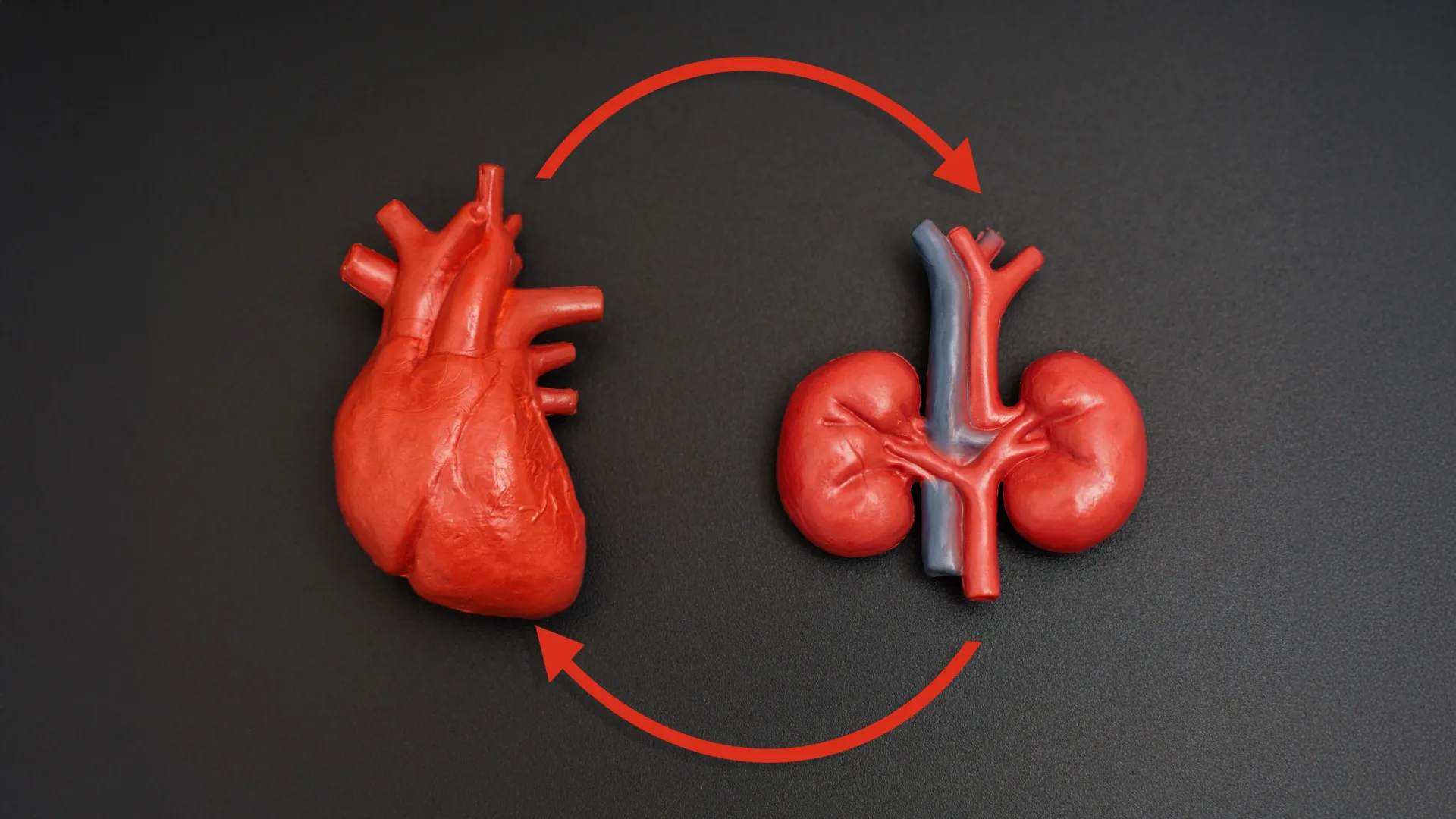
Heart Disease and Kidney Disease Can Fuel Each Other. New Guidelines Aim to Break the Cycle
Health
Heart DiseaseKidney Disease

Heart Disease and Kidney Disease Can Fuel Each Other. New Guidelines Aim to Break the Cycle

Heart disease and chronic kidney disease can accelerate each other, creating a dangerous cycle that puts patients at risk for serious complications. New clinical guidelines recommend simple blood and urine screening tests combined with proven heart and kidney therapies to detect problems early and substantially reduce health risks. Early intervention and monitoring are key to preventing disease progression and improving patient outcomes. Healthcare providers are now emphasizing the importance of comprehensive screening in patients with either condition to catch interconnected problems sooner.

12 hours ago
ScienceDaily Health