LatestScientists Discover Hidden Cleanup System in the Eye That Could Transform Blindness Treatment
Health

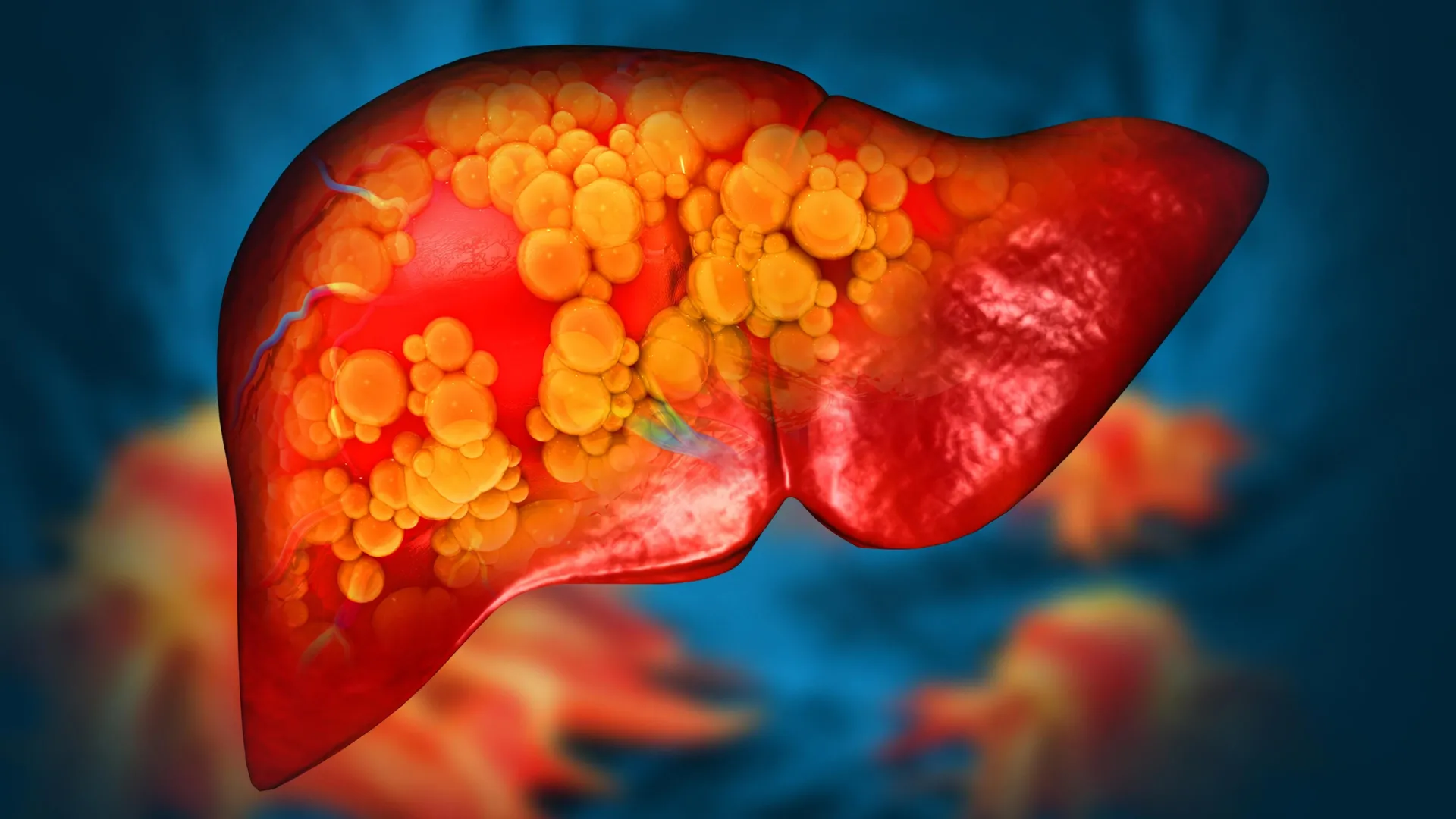
Common Plastic Linked to Fatty Liver Disease, Study Finds

Common Plastic Linked to Fatty Liver Disease, Study Finds
Summary

Researchers at Texas A&M University have discovered that polyethylene microplastics, found in one of the world's most widely used plastics, can contribute to the development of fatty liver disease. The concerning finding reveals that these microplastics pose a previously unrecognized threat to liver health, particularly when combined with poor dietary habits. This discovery challenges the long-held assumption that polyethylene was relatively harmless to human health. The study highlights the importance of reducing plastic consumption and maintaining a healthy diet to protect liver function and overall wellness.
Science Daily

Originally published on

ScienceDaily Health

Read full article(opens in new tab)

Fetched: October 11, 2026 at 10:00 AM

More news you might be interested in

View all
Scientists Discover Hidden Cleanup System in the Eye That Could Transform Blindness Treatment
Health

Scientists Discover Hidden Cleanup System in the Eye That Could Transform Blindness Treatment

Researchers have identified a previously unknown drainage pathway at the back of the eye that removes fluid and waste products. This groundbreaking discovery, demonstrated in mouse models, reveals how the eye naturally maintains its health through this hidden cleanup mechanism. The finding could revolutionize treatment approaches for glaucoma, macular degeneration, and other leading causes of blindness. Understanding this drainage system may help scientists develop new therapies that restore or enhance the eye's natural ability to clear harmful waste, potentially preventing vision loss in millions of patients worldwide.

4 hours ago
ScienceDaily Health
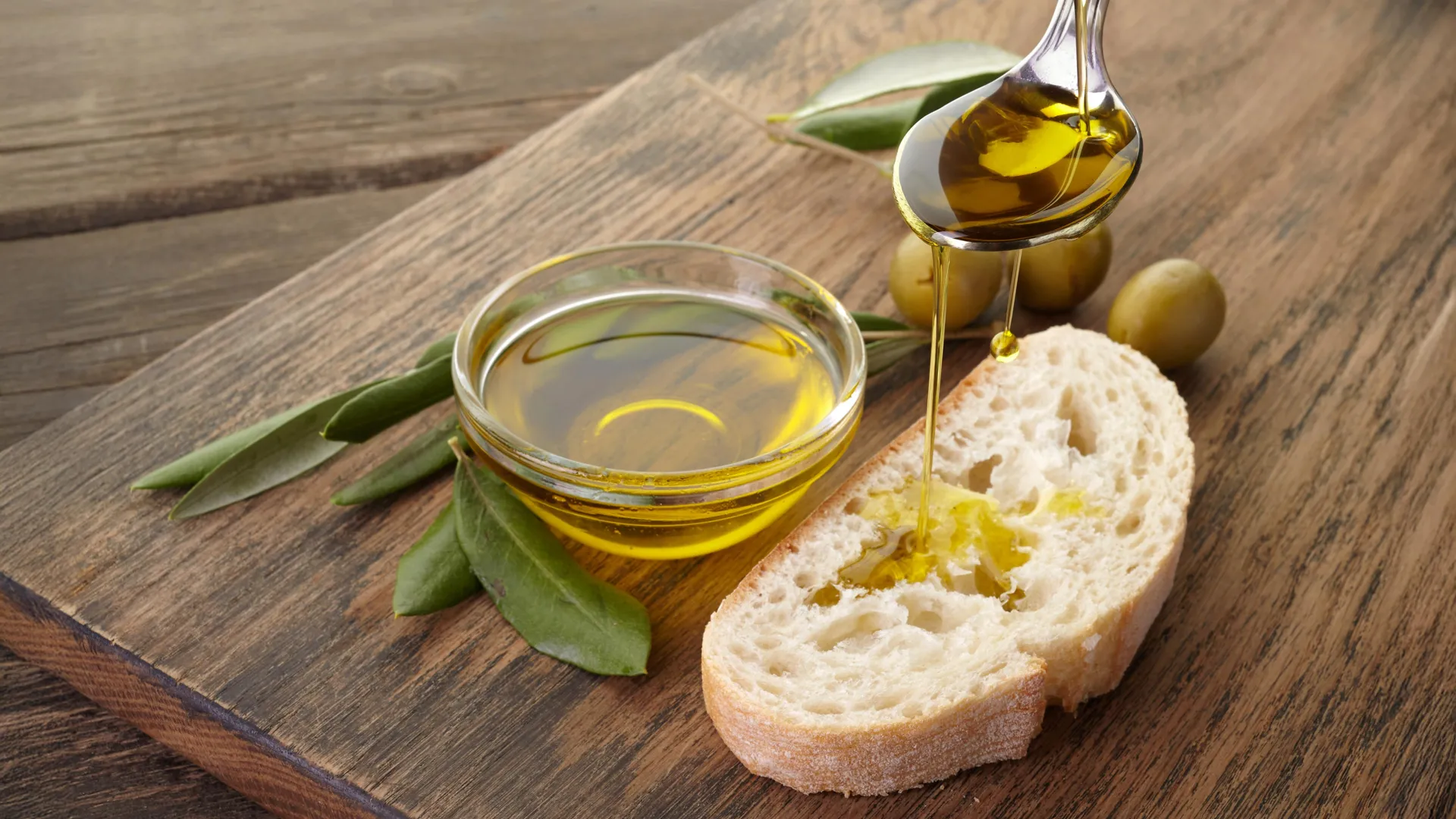
Eating Olive Oil Before Carbs May Help Control Blood Sugar Spikes
Health
High CholesterolDiabetes

Eating Olive Oil Before Carbs May Help Control Blood Sugar Spikes

A groundbreaking study shows that consuming olive oil before carbohydrates can slow digestion and regulate blood sugar levels through a combination of hormones and nerve signals. Researchers discovered this effect even works in mice with type 2 diabetes, suggesting a simple dietary adjustment could benefit millions managing blood sugar control. This finding highlights how meal sequencing—the order in which you eat foods—may be an effective, non-pharmaceutical strategy for preventing dangerous glucose spikes. The discovery opens new possibilities for diabetes management and metabolic health through practical dietary modifications anyone can implement.

6 hours ago
ScienceDaily Health
Wilfredo 'Bazooka' Gómez, Puerto Rican Boxing Legend, Dies at 69
Health
COPD

Wilfredo 'Bazooka' Gómez, Puerto Rican Boxing Legend, Dies at 69

Wilfredo 'Bazooka' Gómez, one of Puerto Rico's most accomplished boxers and a former world champion, passed away at age 69 due to respiratory complications while hospitalized. Gómez was a dominant force in professional boxing during a golden era of Puerto Rican pugilism, known for his powerful striking ability and multiple championship titles. His death highlights the importance of respiratory health management, particularly in aging populations who may be vulnerable to serious complications. The boxing community mourns the loss of one of the sport's most iconic figures from the island.

6 hours ago
NotiCel
Neanderthals may have used prehistoric birch tar as an ancient antibiotic
Health

Neanderthals may have used prehistoric birch tar as an ancient antibiotic

Research reveals that Neanderthals may have used birch tar, a sticky substance made from birch bark, to treat wounds thousands of years before modern antibiotics were discovered. Scientists recreated ancient production techniques and found that every birch tar sample could inhibit the growth of bacteria responsible for dangerous wound infections. Previously known mainly as a prehistoric adhesive, this natural substance demonstrates surprisingly effective antibacterial properties. The findings suggest that early humans possessed sophisticated knowledge of natural medicines and wound care, offering new insights into Neanderthal medical practices and the history of infection prevention.

10 hours ago
ScienceDaily Health