LatestSan Juan's Urban Train Stations to Receive Major Modernization with $228.5 Million Investment
Health

Sugar Restriction in First 1,000 Days Linked to Lower Dementia Risk

Sugar Restriction in First 1,000 Days Linked to Lower Dementia Risk
Alzheimer's Disease
Summary

A new study published in Neurology reveals that limiting sugar intake during the first 1,000 days from conception—a critical period spanning pregnancy through early childhood—is associated with significantly reduced dementia risk later in life. This research highlights the importance of early nutrition, as the developing brain is particularly vulnerable to metabolic changes and nutritional deficiencies during this window. The findings suggest that maternal and infant dietary choices may have long-lasting protective effects against cognitive decline. Healthcare providers recommend discussing optimal nutrition with pregnant women and parents of young children to support healthy brain development and potentially prevent neurodegenerative diseases.

Medical Xpress

Originally published on

Medical Xpress

Read full article(opens in new tab)

Fetched: August 11, 2026 at 10:01 AM

More news you might be interested in

View all
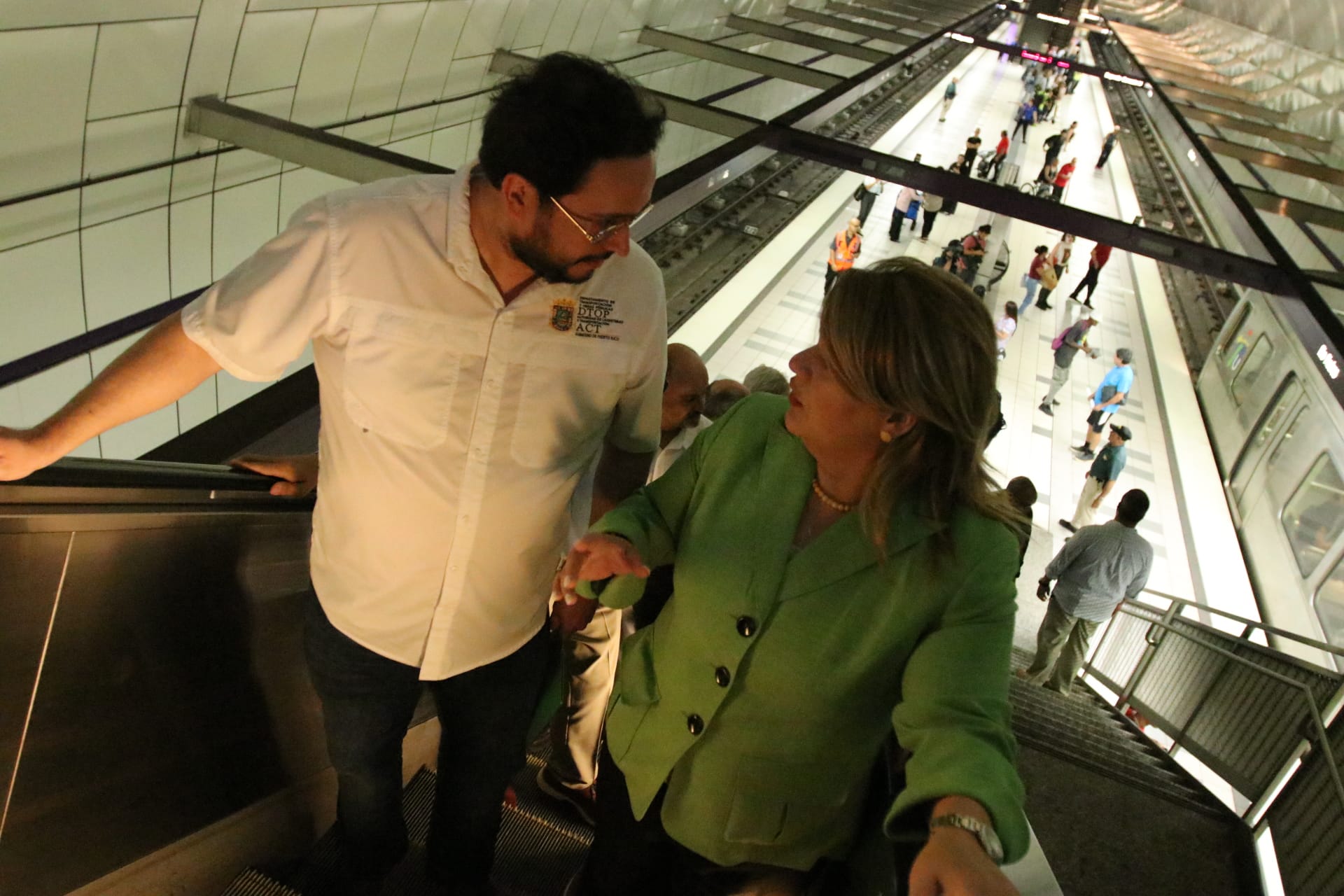
San Juan's Urban Train Stations to Receive Major Modernization with $228.5 Million Investment
Health

San Juan's Urban Train Stations to Receive Major Modernization with $228.5 Million Investment

Puerto Rico's Urban Train system will undergo comprehensive modernization across all 16 stations with a $227 million investment from the Federal Transit Administration, supplemented by $1.5 million from hurricane insurance claims related to Hurricanes Irma and María (2017). The renovation project includes rehabilitating all 16 stations and the operations building to improve infrastructure and passenger safety. This modernization effort aims to enhance public transportation accessibility and reliability for San Juan residents and commuters. Improved transit infrastructure can support better health outcomes by increasing access to medical facilities and reducing pollution-related health impacts from vehicle emissions.

17 hours ago
NotiCel
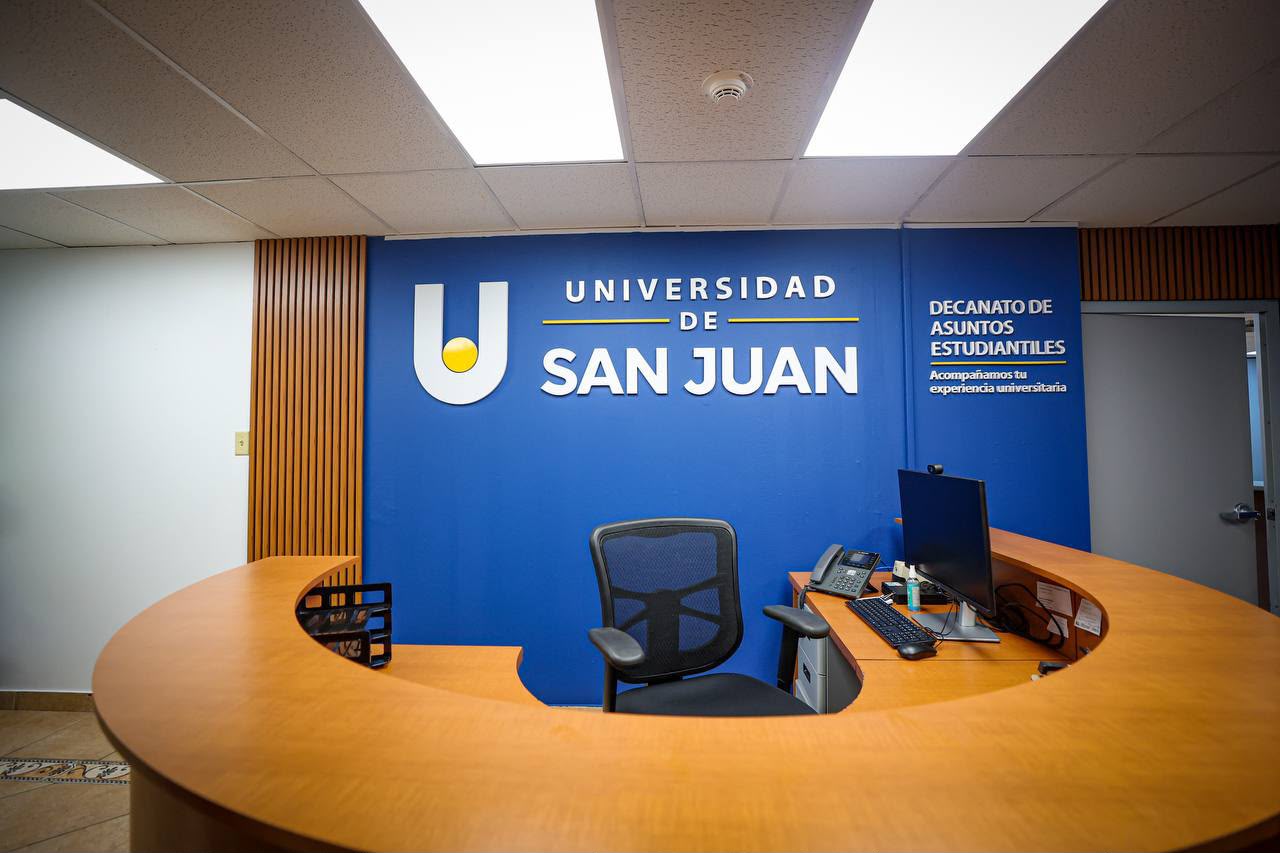
Universidad de San Juan Unveils New Image and Enhanced Facilities
Health

Universidad de San Juan Unveils New Image and Enhanced Facilities

The Universidad de San Juan, formerly known as Colegio Universitario de San Juan, officially launched its renovated campus with enhanced facilities and infrastructure. The institution, which has served the Puerto Rican community for over 50 years, will begin its first academic semester under its new identity on August 17th. Mayor Miguel A. Romero presented the transformed university, which represents a significant investment in higher education and professional training for the island. The upgrade aims to provide students with improved resources and modern educational environments to support their academic development.

17 hours ago
NotiCel
Economic Activity Index Falls for Third Consecutive Month in Puerto Rico
Health

Economic Activity Index Falls for Third Consecutive Month in Puerto Rico

Puerto Rico's Economic Activity Index (IAE) declined 0.6% year-over-year in June, marking the third consecutive monthly decrease according to the Department of Economic Development and Commerce. The index, which tracks key economic indicators including cement sales, total employment, and electricity generation, reflects ongoing economic challenges in the territory. This sustained downturn raises concerns about the island's economic stability and employment prospects. Economic contraction can impact public health funding and healthcare access for Puerto Rico's residents.

17 hours ago
NotiCel
Health
AnxietyDepression

Colombia Reports 281 Deaths Following 7.4 Magnitude Earthquake as Humanitarian Crisis Unfolds

A 7.4 magnitude earthquake struck Colombia on Monday, resulting in 281 deaths, 3,824 injuries, and 379 missing persons as of Thursday's official count. The natural disaster has triggered a severe humanitarian emergency with ongoing rescue operations and widespread search efforts for survivors. Healthcare systems in affected regions face overwhelming demand for emergency medical care, trauma treatment, and mental health support. Displaced populations and rescue workers are at increased risk for stress-related conditions, infections, and exacerbation of chronic diseases. International humanitarian aid and coordinated medical response efforts continue as communities work toward recovery and assistance for affected citizens.

17 hours ago
NotiCel