LatestArtery damage in adults in their 20s highlights need for early cardiovascular risk assessment
Health

Universidad de San Juan Unveils New Image and Enhanced Facilities

NotiCel
Universidad de San Juan Unveils New Image and Enhanced Facilities
Summary

The Universidad de San Juan, formerly known as Colegio Universitario de San Juan, officially launched its renovated campus with enhanced facilities and infrastructure. The institution, which has served the Puerto Rican community for over 50 years, will begin its first academic semester under its new identity on August 17th. Mayor Miguel A. Romero presented the transformed university, which represents a significant investment in higher education and professional training for the island. The upgrade aims to provide students with improved resources and modern educational environments to support their academic development.
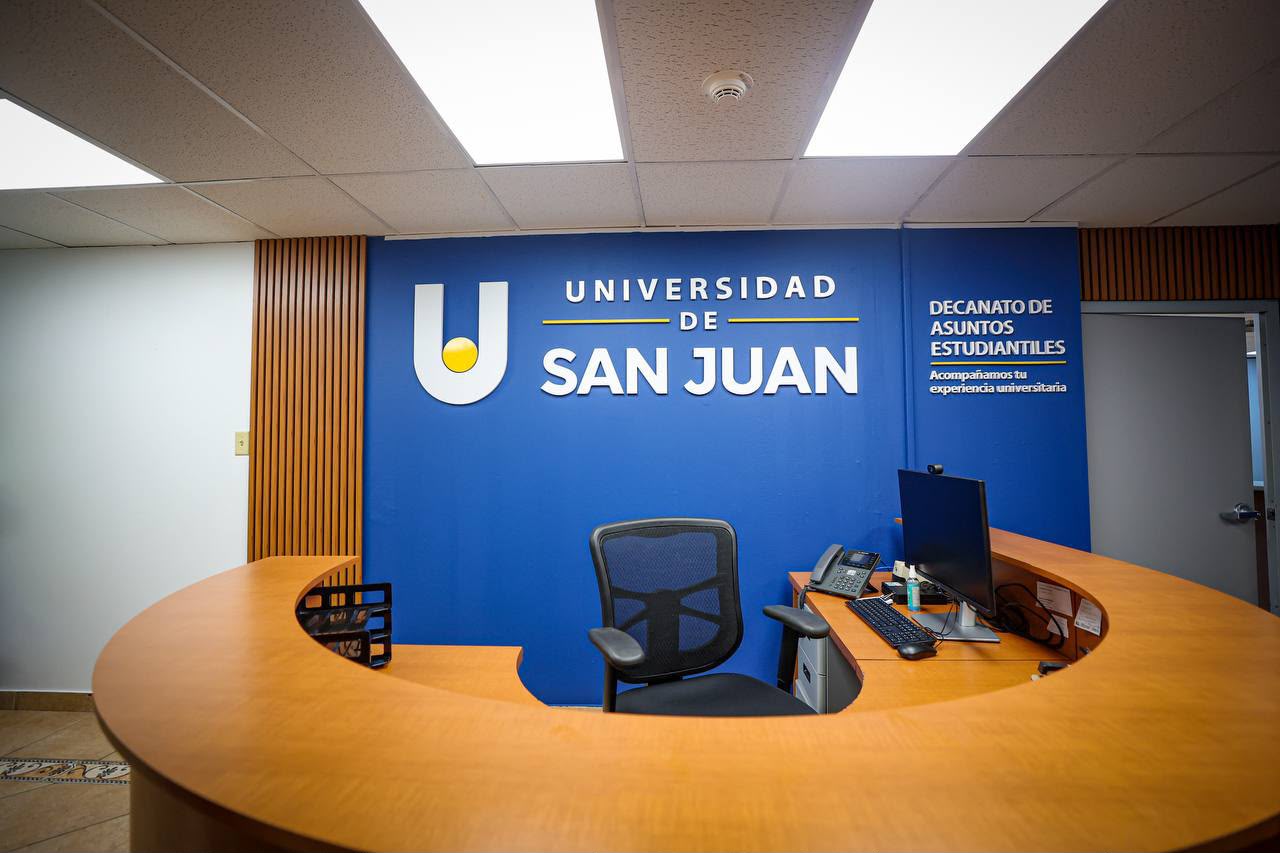
Originally published on

NotiCel

By NotiCel

Read full article(opens in new tab)

Fetched: August 14, 2026 at 10:01 AM

More news you might be interested in

View all
Artery damage in adults in their 20s highlights need for early cardiovascular risk assessment
Health
High CholesterolHeart Disease

Artery damage in adults in their 20s highlights need for early cardiovascular risk assessment

A new study published in Circulation: Population Health and Outcomes reveals that nearly 8 out of 10 young adults with an average age of 23 years have cardiovascular-kidney-metabolic (CKM) syndrome, showing significant artery damage at a surprisingly young age. CKM syndrome is a cluster of conditions that increases risk for heart disease, kidney disease, and metabolic disorders, traditionally considered diseases of older populations. This finding emphasizes the critical importance of early cardiovascular risk screening and intervention in young adults to prevent long-term complications. Healthcare providers are urged to assess metabolic and cardiovascular health markers in younger patients, as lifestyle modifications and early treatment could substantially reduce future health risks.

21 hours ago
Medical Xpress
Opinion: Global Health Aid Crisis Shows Faith-Based Organizations Are Essential
Health

Opinion: Global Health Aid Crisis Shows Faith-Based Organizations Are Essential

As traditional global health aid infrastructure faces collapse, faith-based organizations are emerging as critical delivery mechanisms for healthcare services worldwide. Dr. Alaa Murabit argues that Washington has recognized faith organizations' capacity to reach underserved populations, but the real opportunity lies in mobilizing faith communities as sources of capital for health initiatives. This shift represents a potential game-changer for funding healthcare programs in resource-limited regions, including areas that depend heavily on international assistance. For patients in developing nations, faith-based health networks could expand access to essential medical services when government and traditional aid systems fall short.

21 hours ago
STAT News
Can reclassifying muscle dysmorphia unlock better care for boys and men?
Health
AnxietyMajor Depressive Disorder

Can reclassifying muscle dysmorphia unlock better care for boys and men?

Muscle dysmorphia affects approximately one-third of males struggling with eating disorders in the United States, with onset typically during adolescence. Reclassifying this condition could improve recognition and treatment outcomes for young men and boys who often go undiagnosed. This psychiatric disorder combines obsessive thoughts about body image with compulsive exercise and restrictive eating patterns, leading to serious physical and mental health consequences. Better classification may help healthcare providers identify affected males earlier and provide specialized interventions tailored to their unique presentation.

21 hours ago
STAT News
Reduce Protein to Live Longer? Nutrition Experts Say That's a Bad Idea
Health
Osteoporosis

Reduce Protein to Live Longer? Nutrition Experts Say That's a Bad Idea

Recent research has suggested that reducing protein intake could increase human longevity, but nutrition experts strongly caution against this approach. Adequate protein is essential for maintaining muscle mass, bone strength, immune function, and metabolic health—particularly as people age. Drastically cutting protein could lead to muscle wasting, increased fracture risk, weakened immunity, and nutritional deficiencies. Experts recommend consulting healthcare providers before making significant dietary changes, as balanced protein intake remains crucial for overall health and quality of life.

21 hours ago
STAT News